

Day 4 – One Day Shirakawago & Gokayama Ainokura Tour from Takayama : Japan (Oct25)
My Shirakawa-go Gokayama Ainokura Tour from Takayama was like a journey back in time. Surrounded by mountains and snow-topped roofs, these traditional Japanese villages offered a peaceful look into Japan’s countryside and heritage. Departing from Takayama [Regular sightseeing bus] World Heritage Sites Shirakawago and Gokayama Ainokura.
At Takayama Nohi Bus Center

My Shirakawa-go Gokayama Ainokura Tour Experience
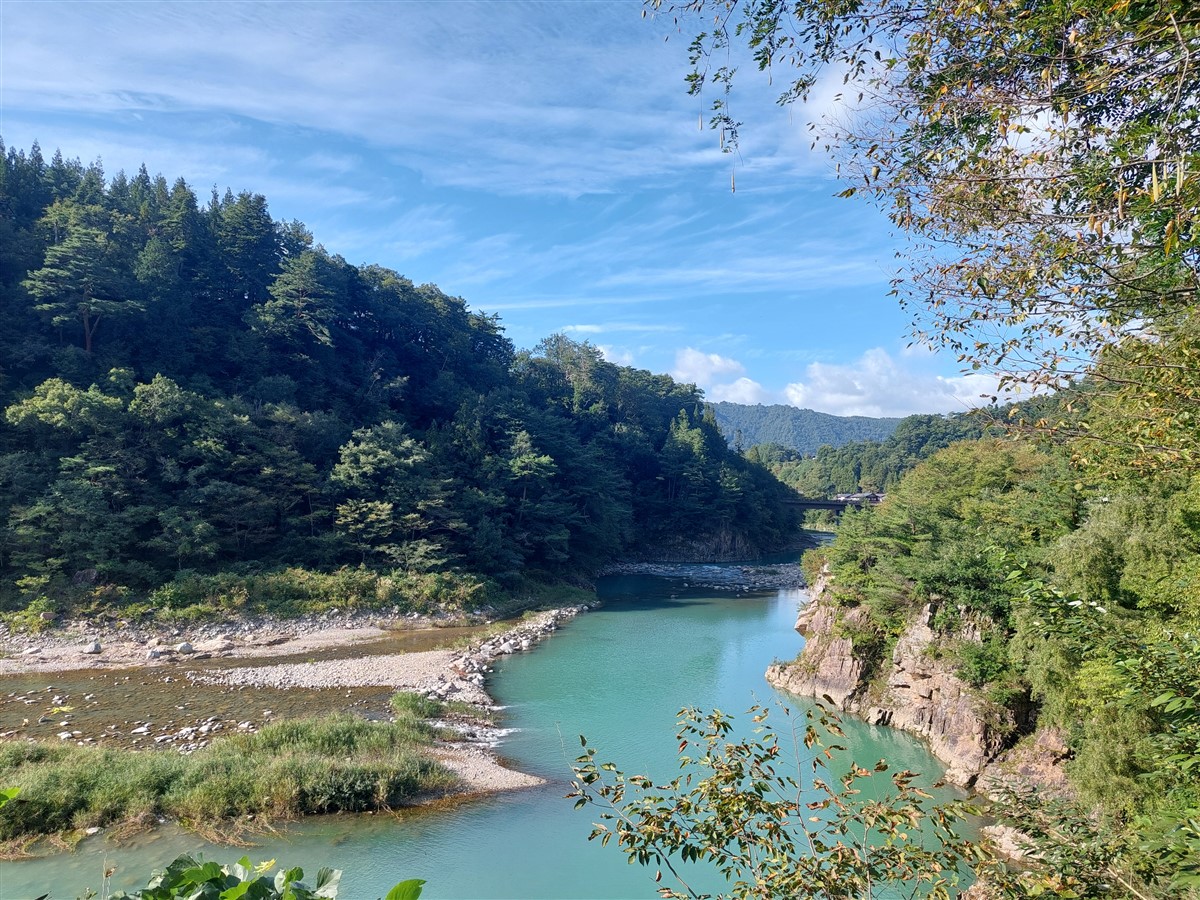
“My Shirakawa-go Gokayama Ainokura Tour started early in the morning from Takayama. The journey through winding mountain roads was scenic and peaceful, with breathtaking views of Japan’s countryside.
Shirakawa go” is the name of a UNESCO World Heritage site in Japan, and the name breaks down to “Shirakawa” (白川), which means “white river,” and “-go” (郷), a suffix that means “old-district” or “village.
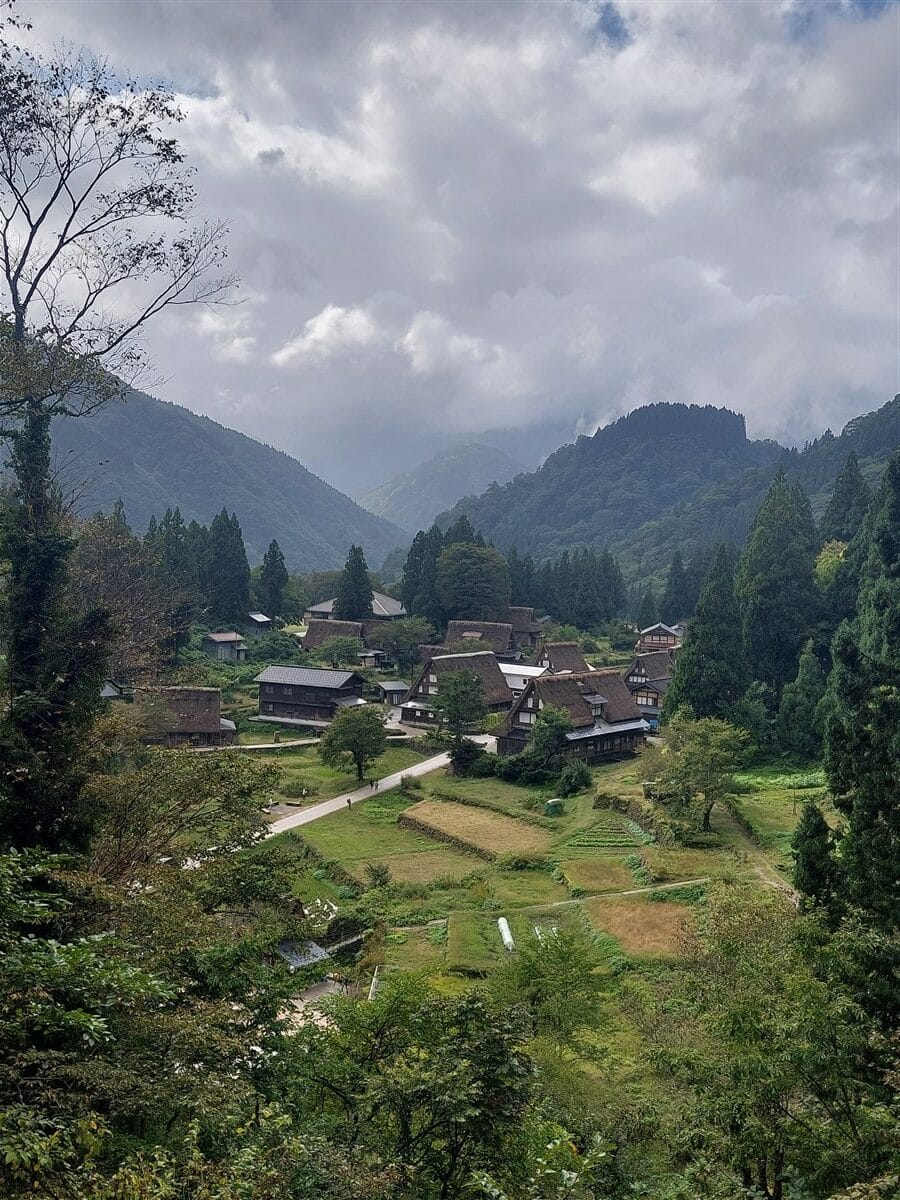
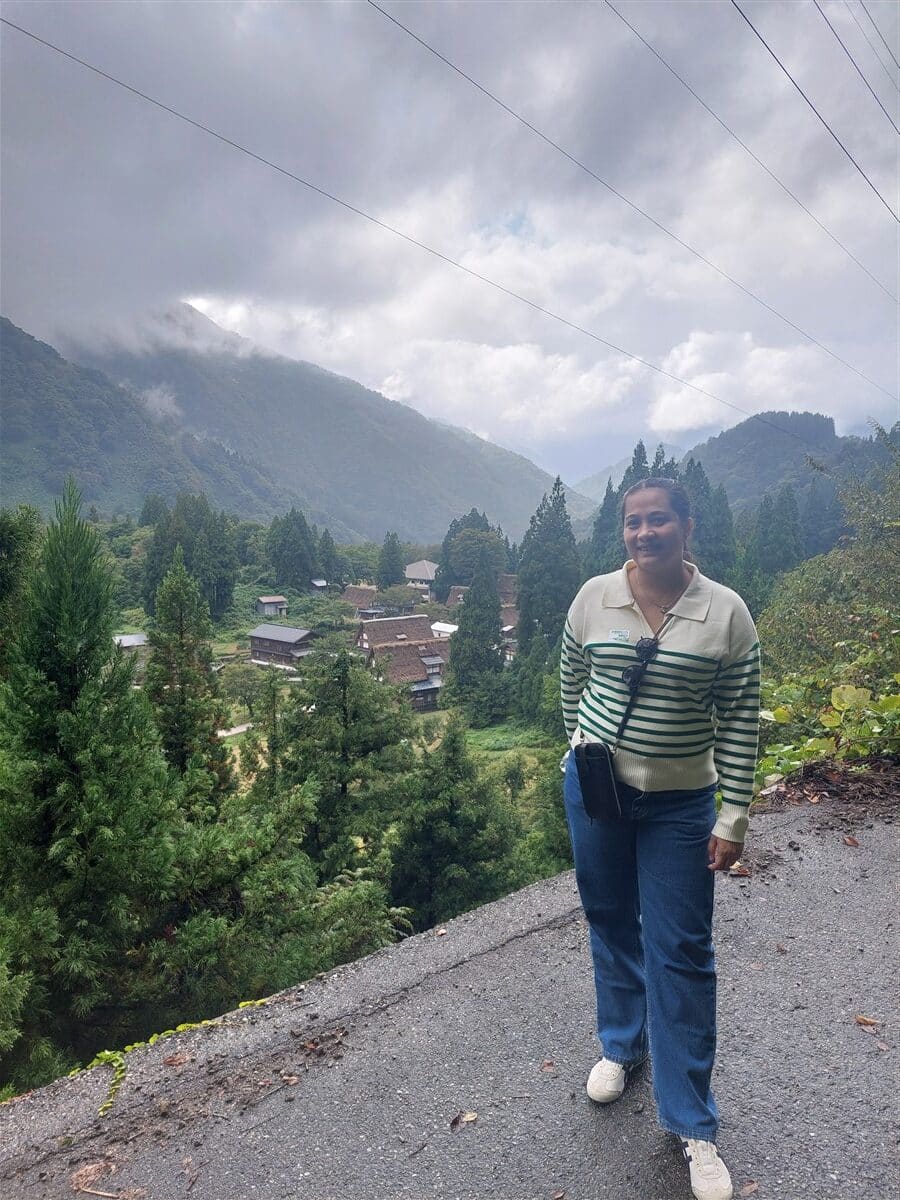
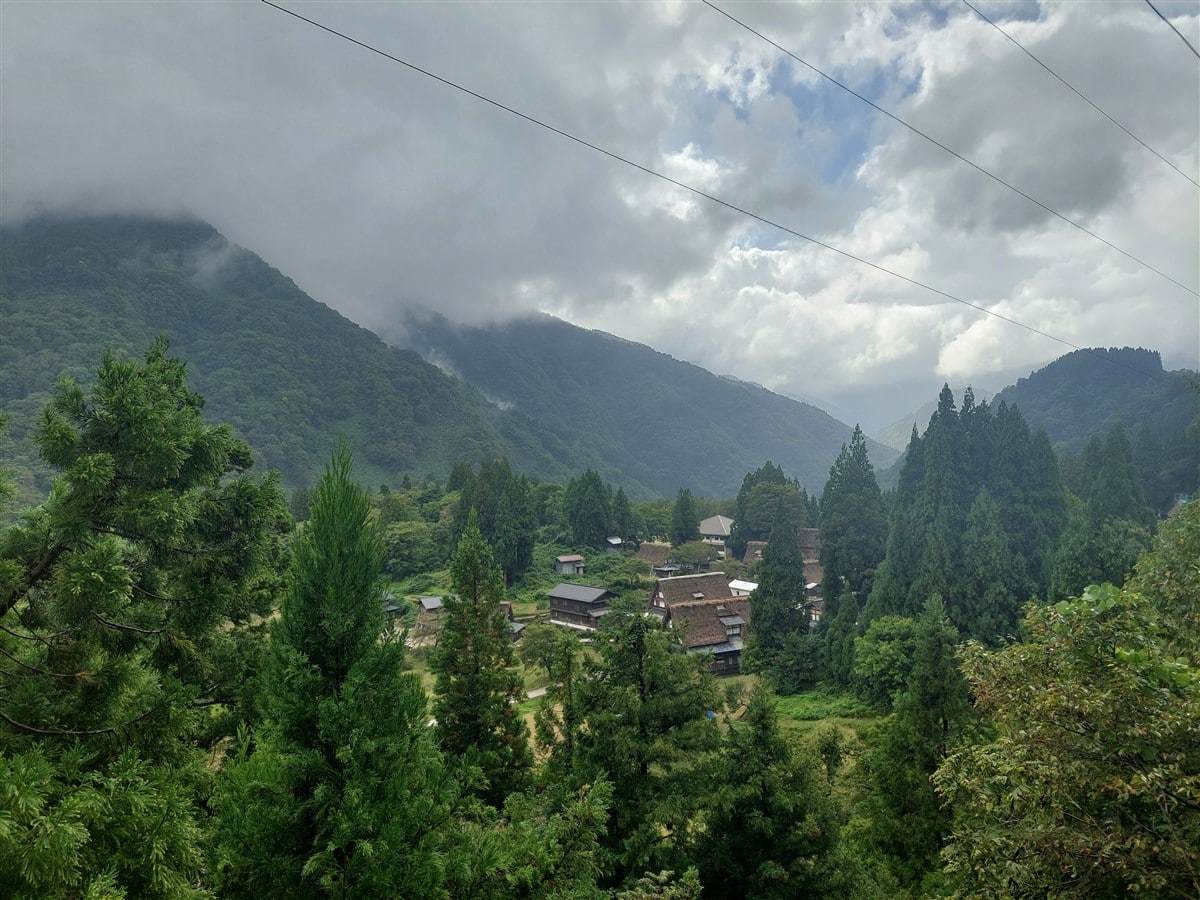
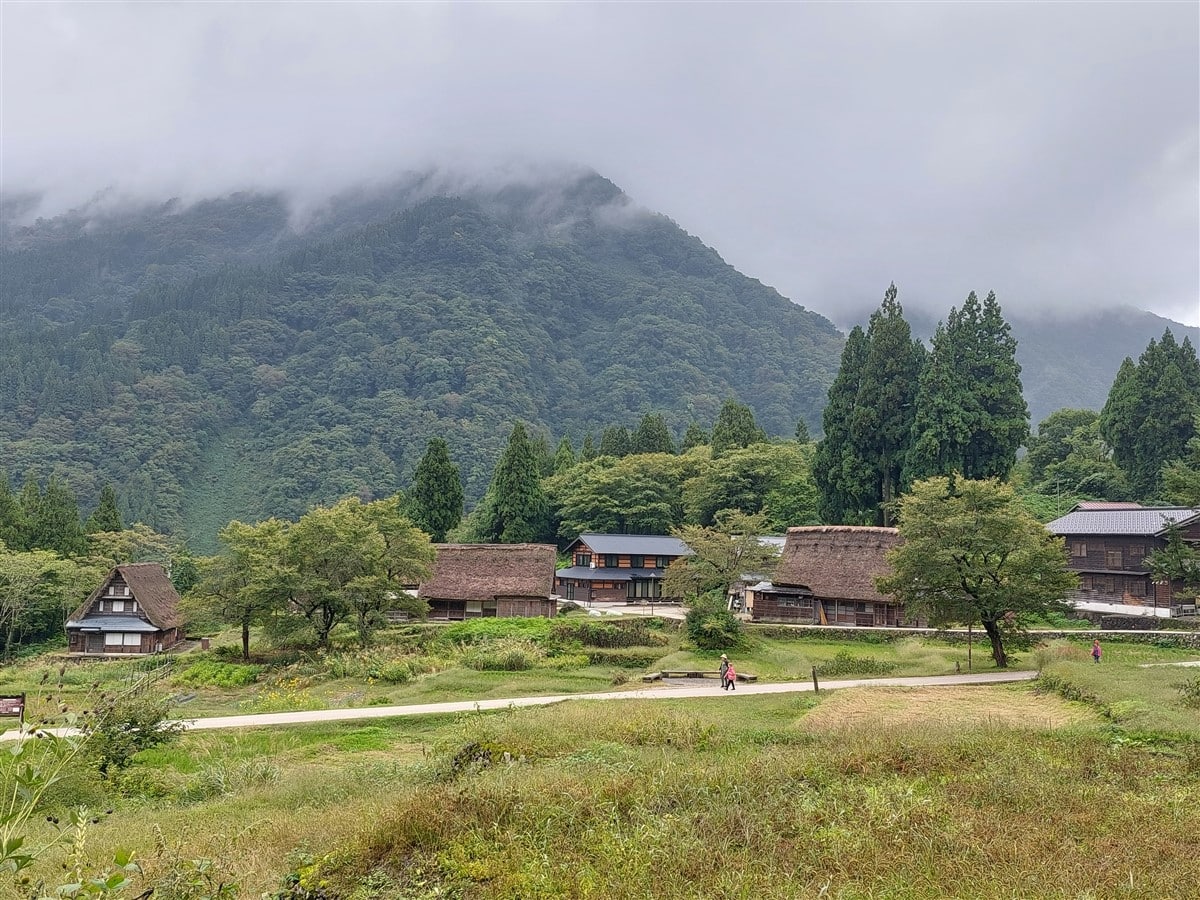
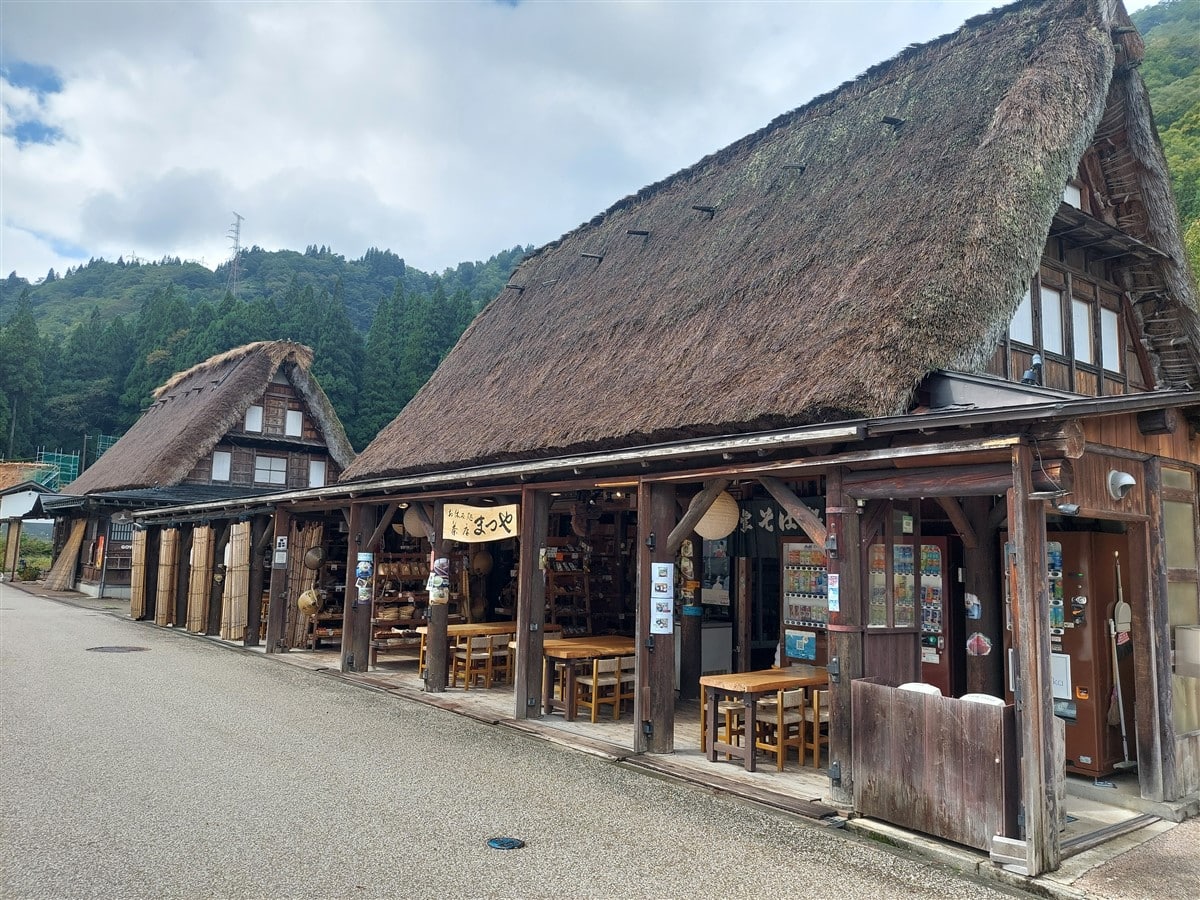
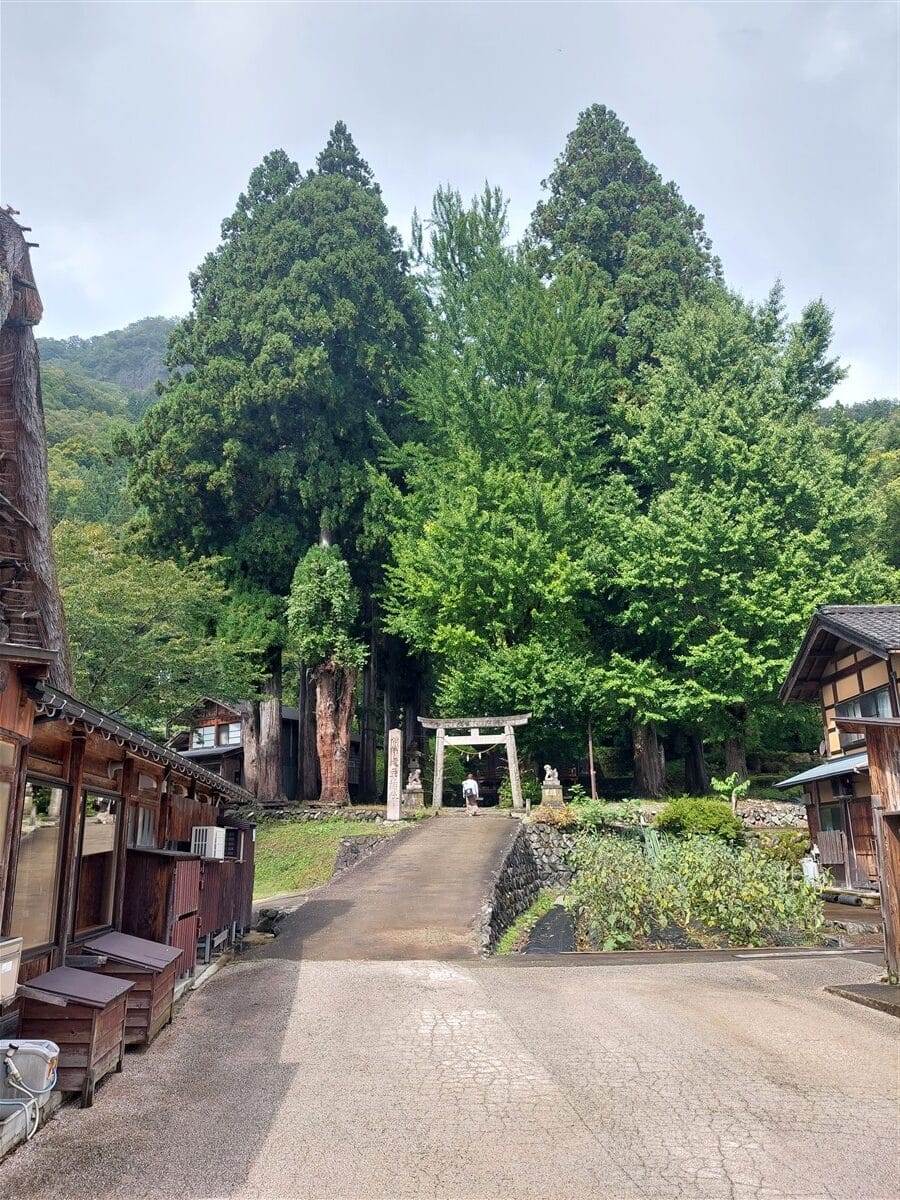
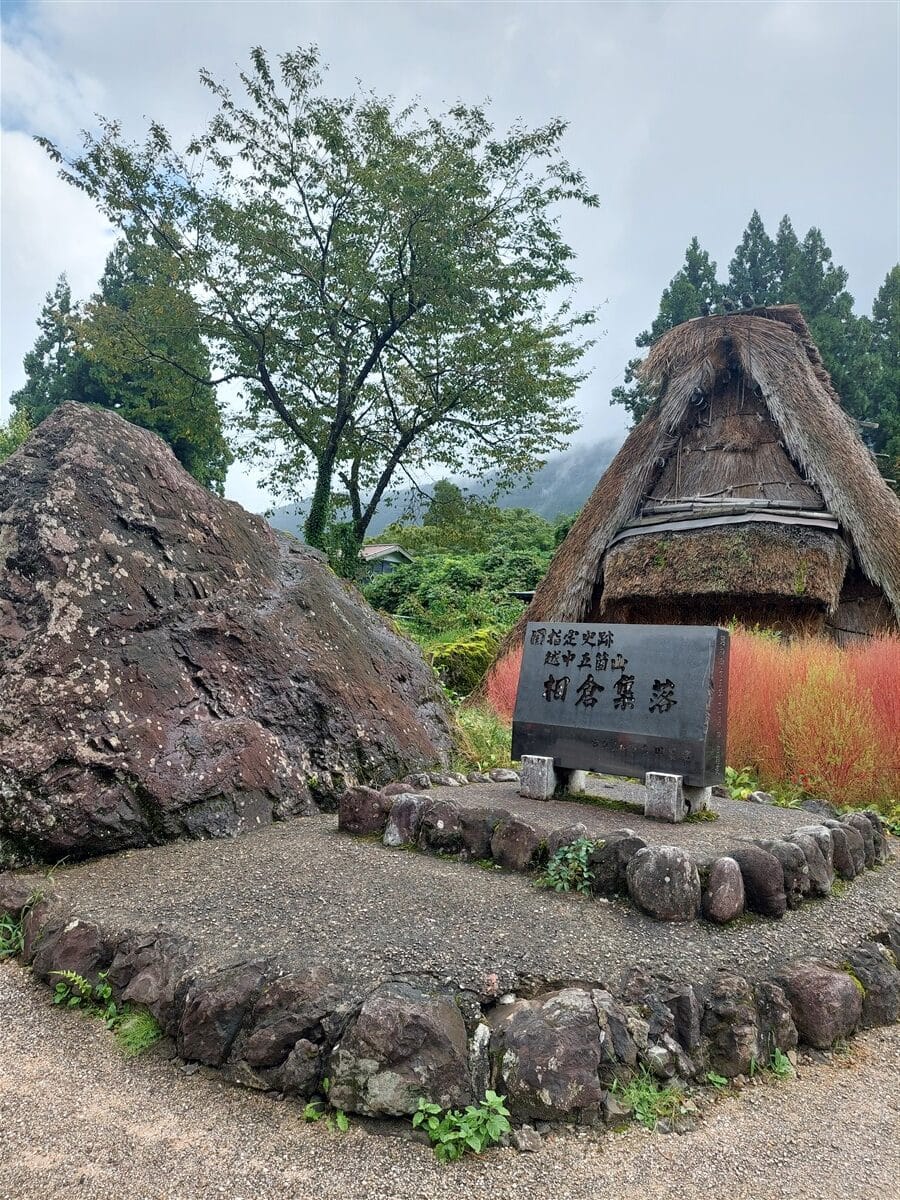
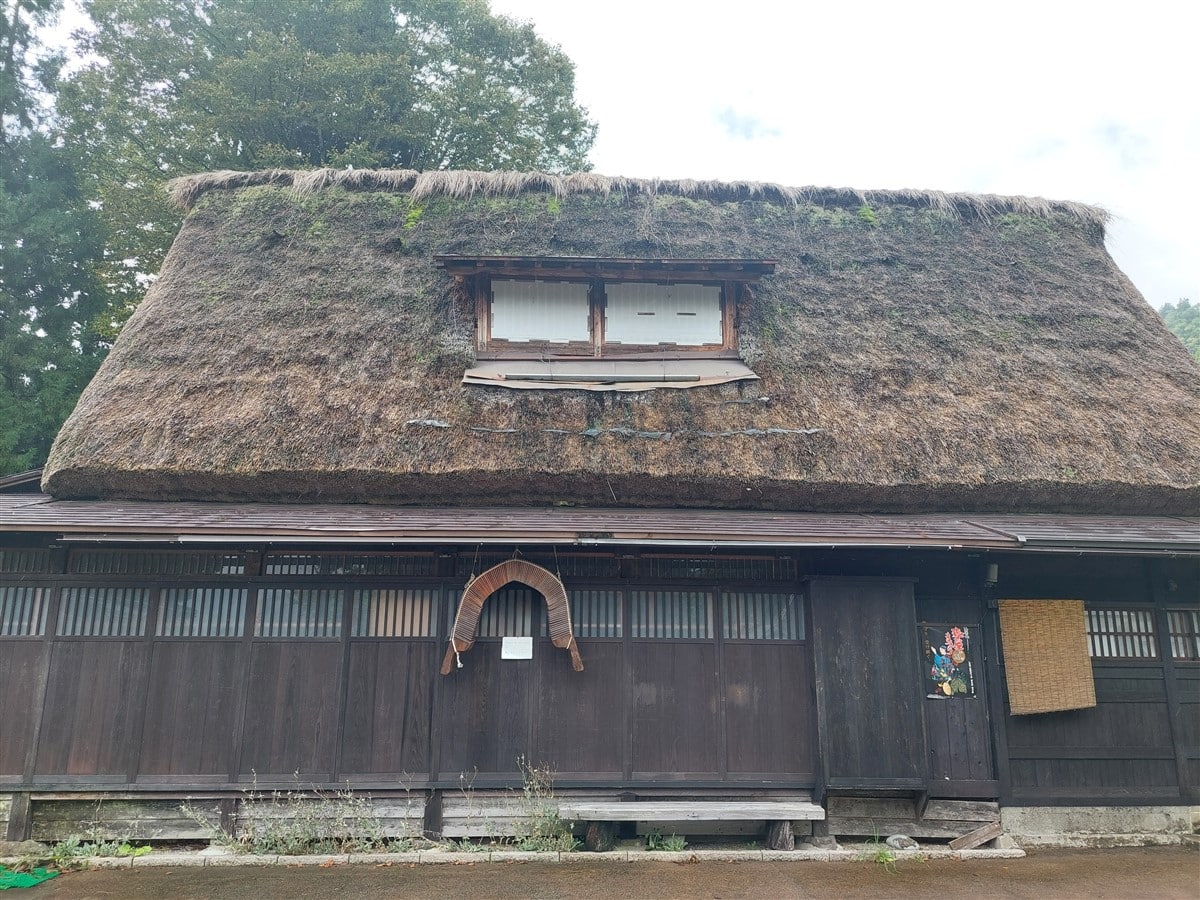
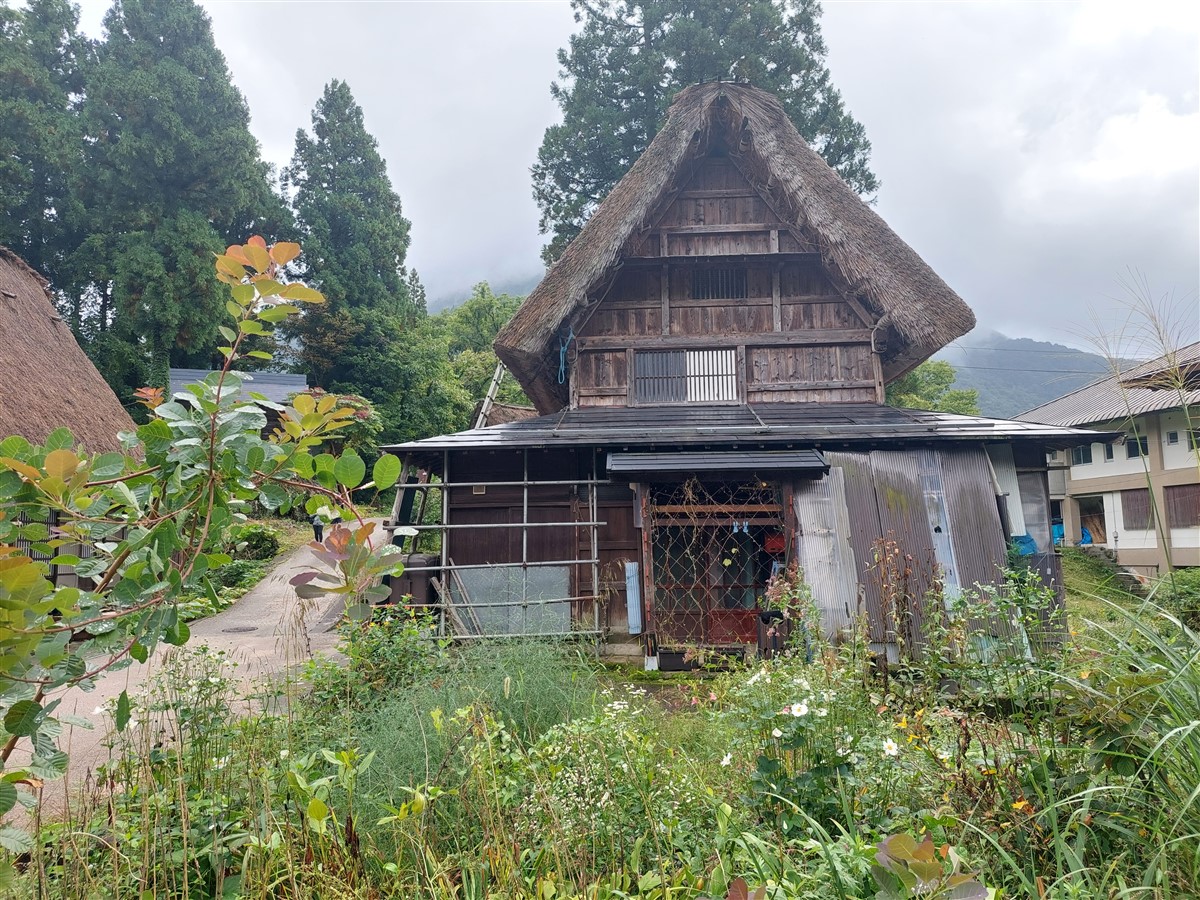
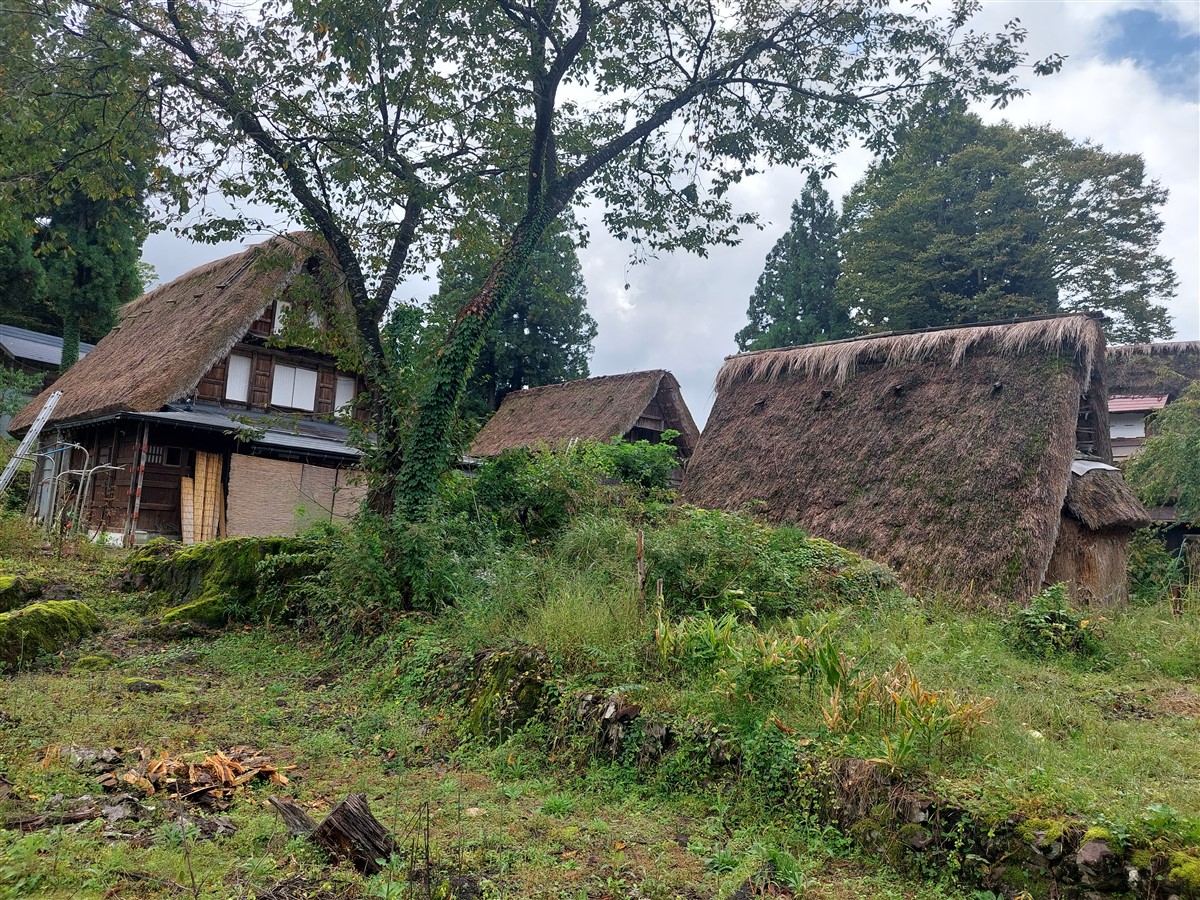
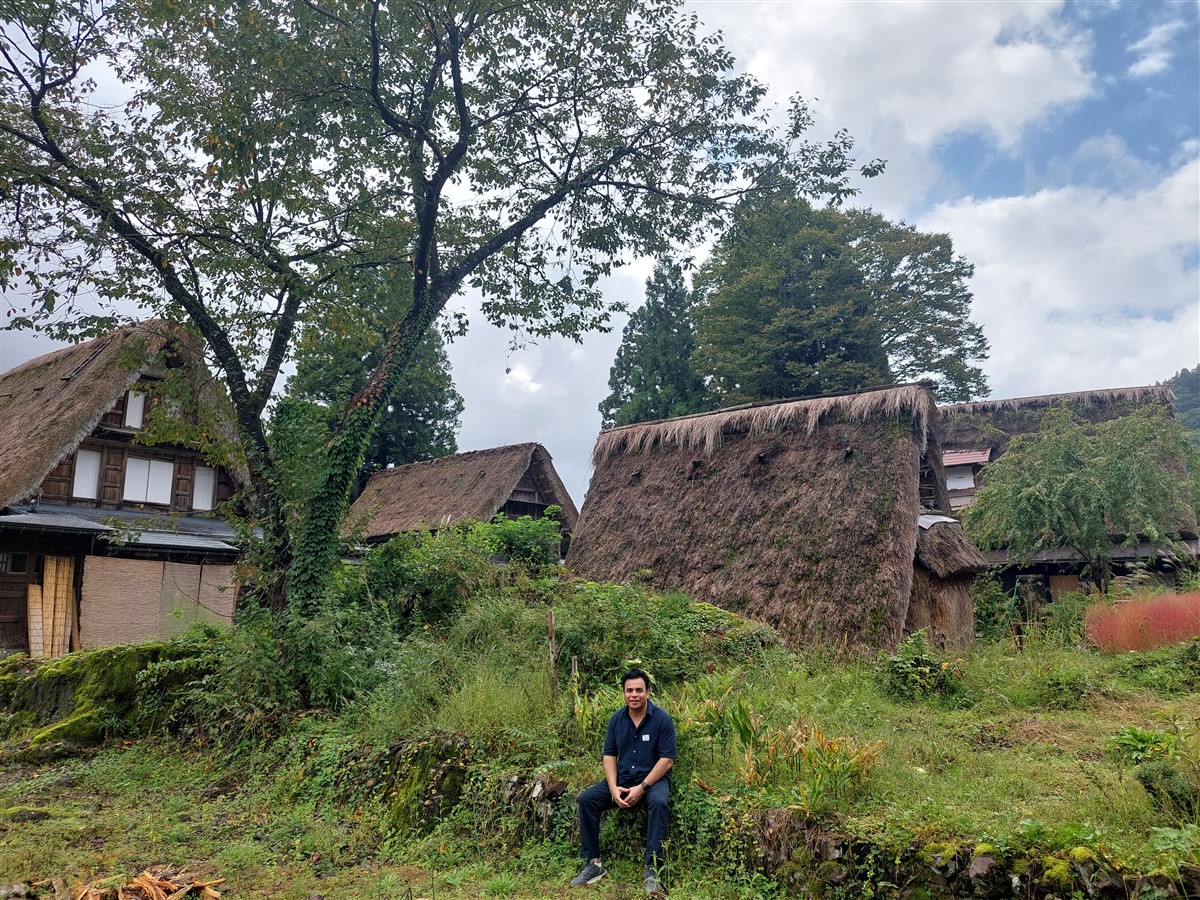
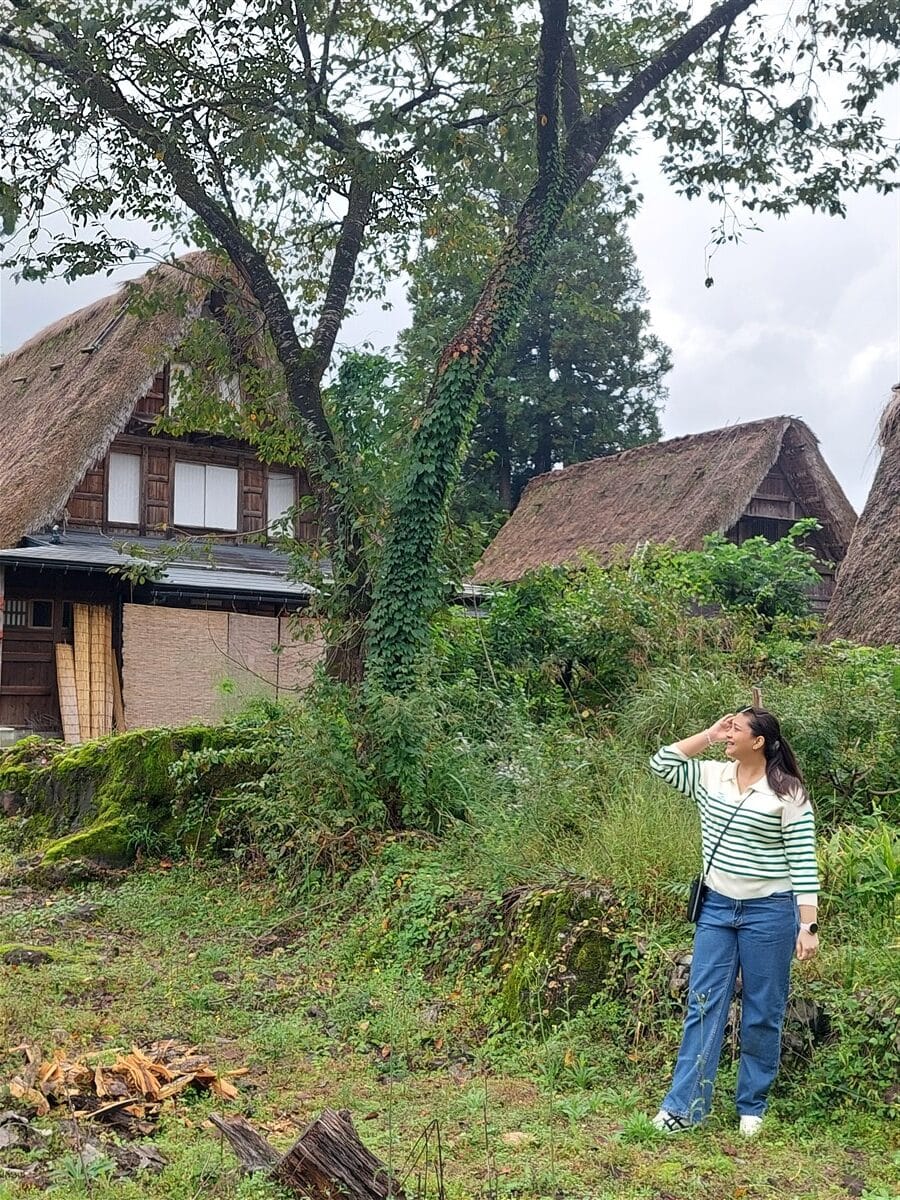
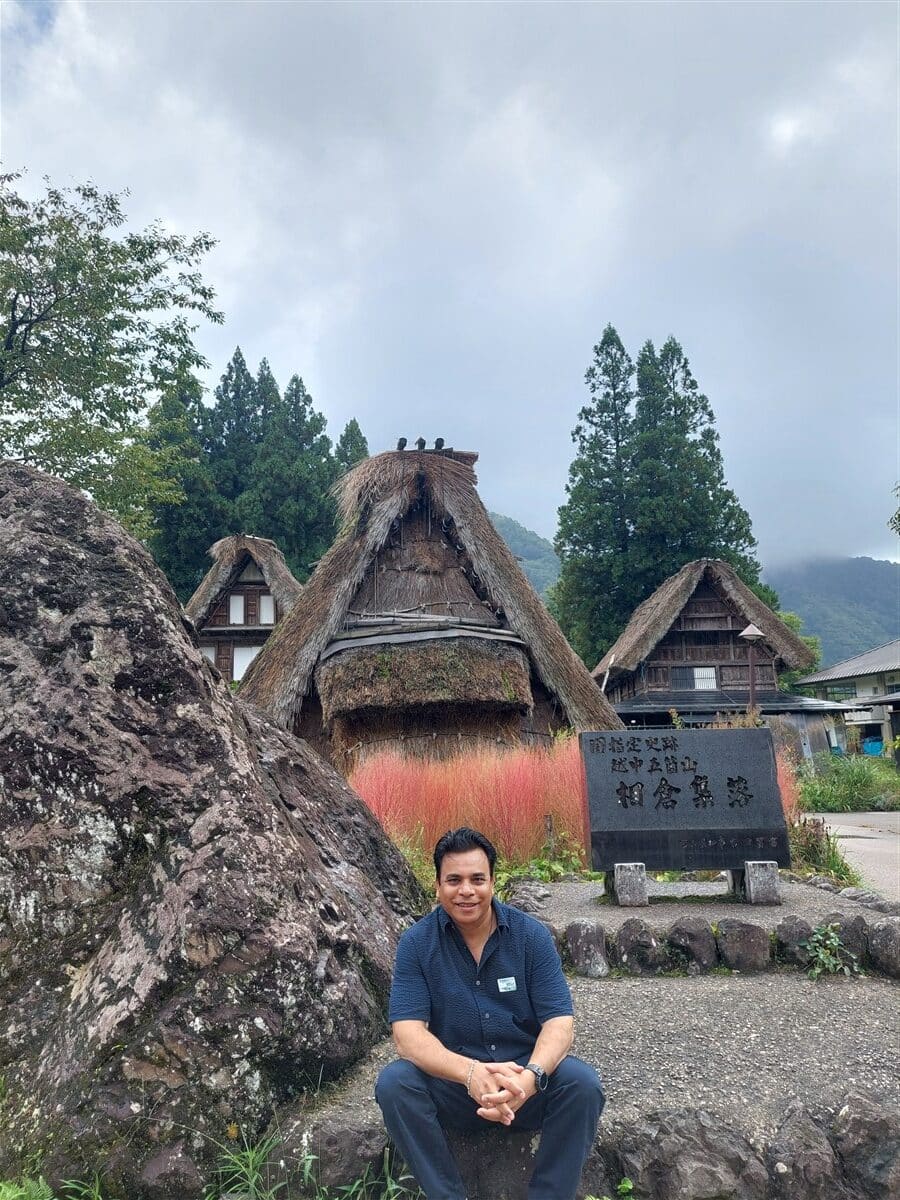
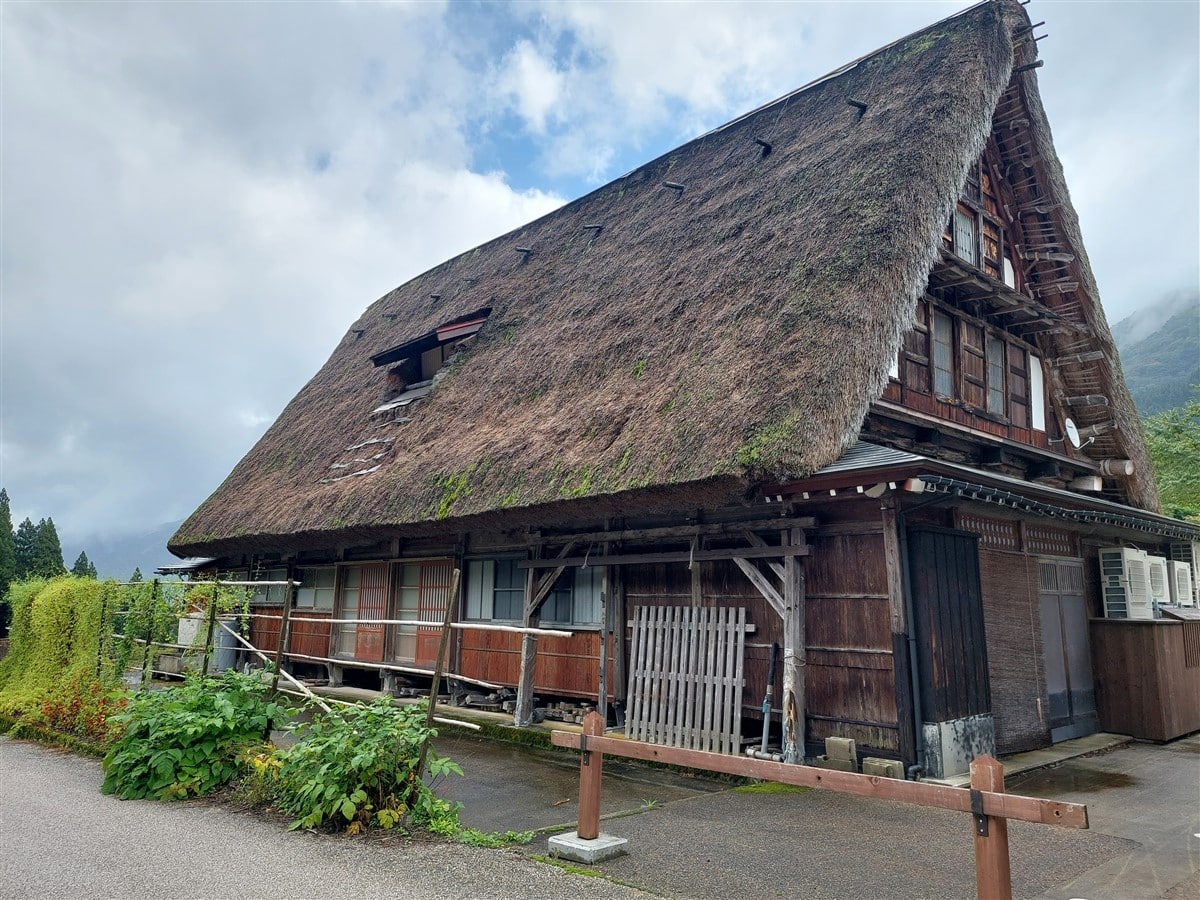
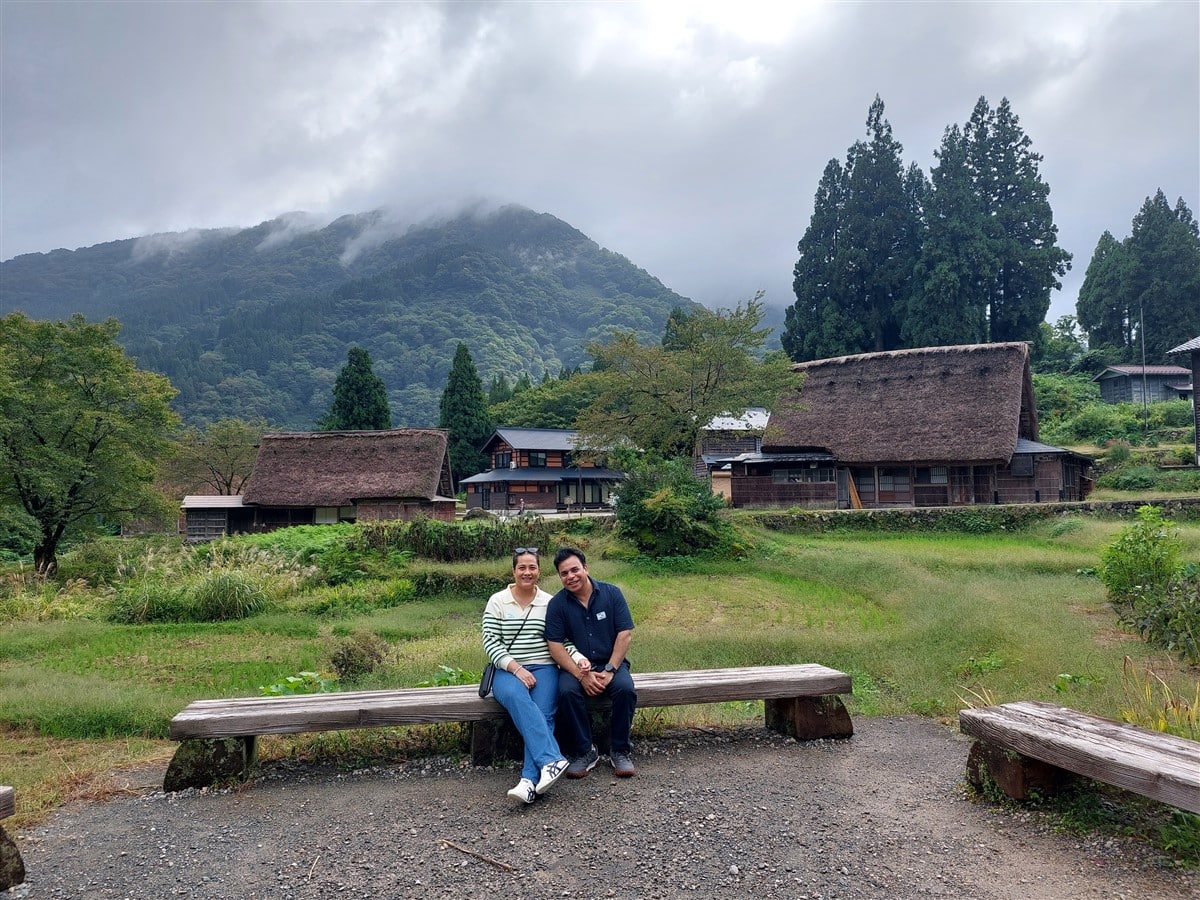
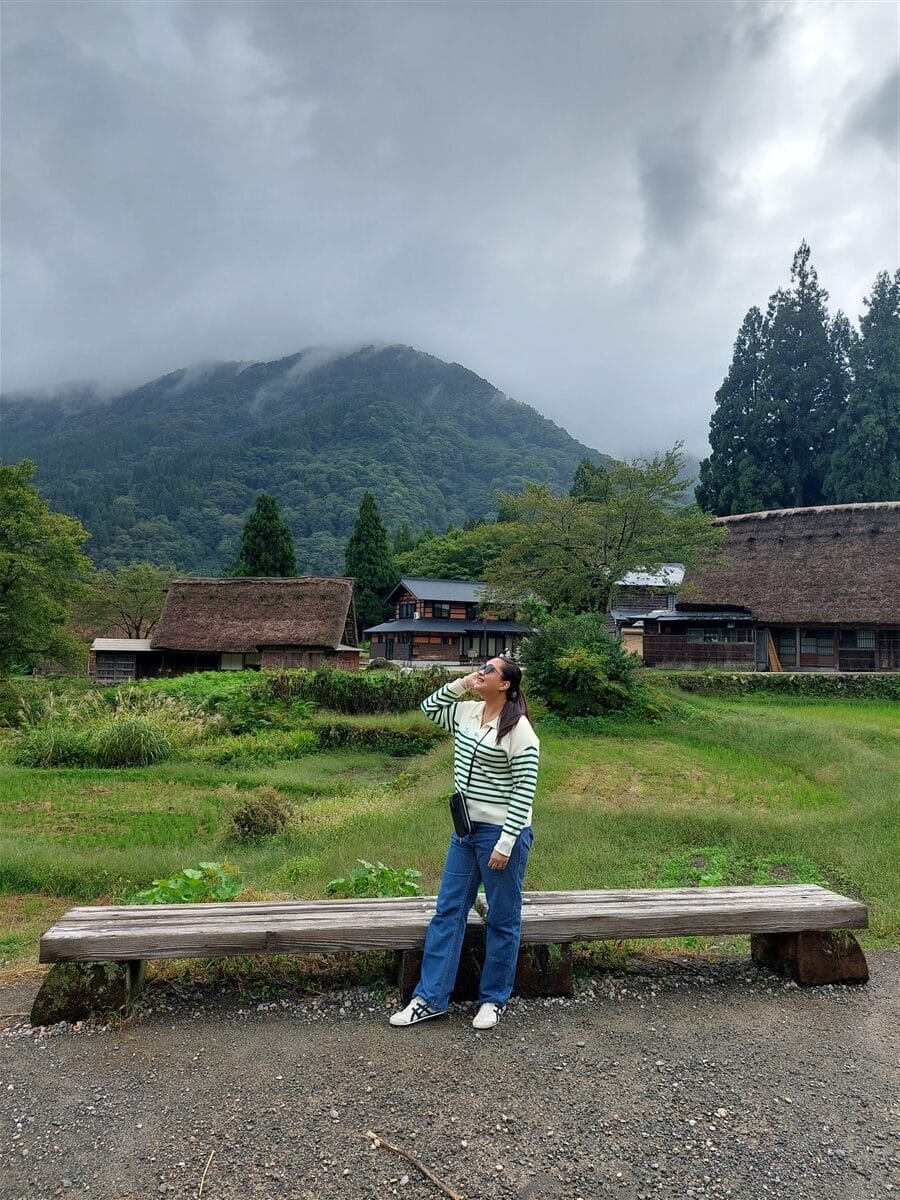
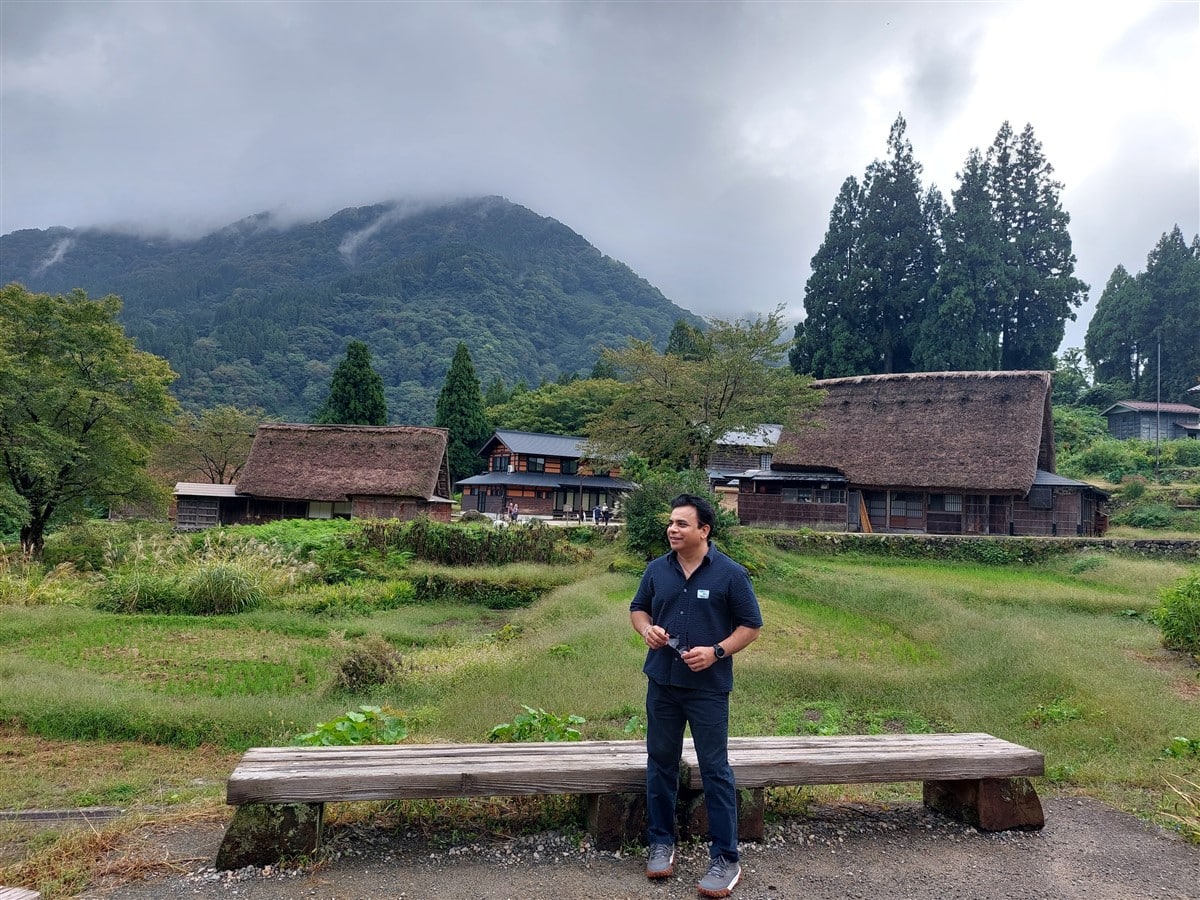
First stop at Ainokura Gassho Community
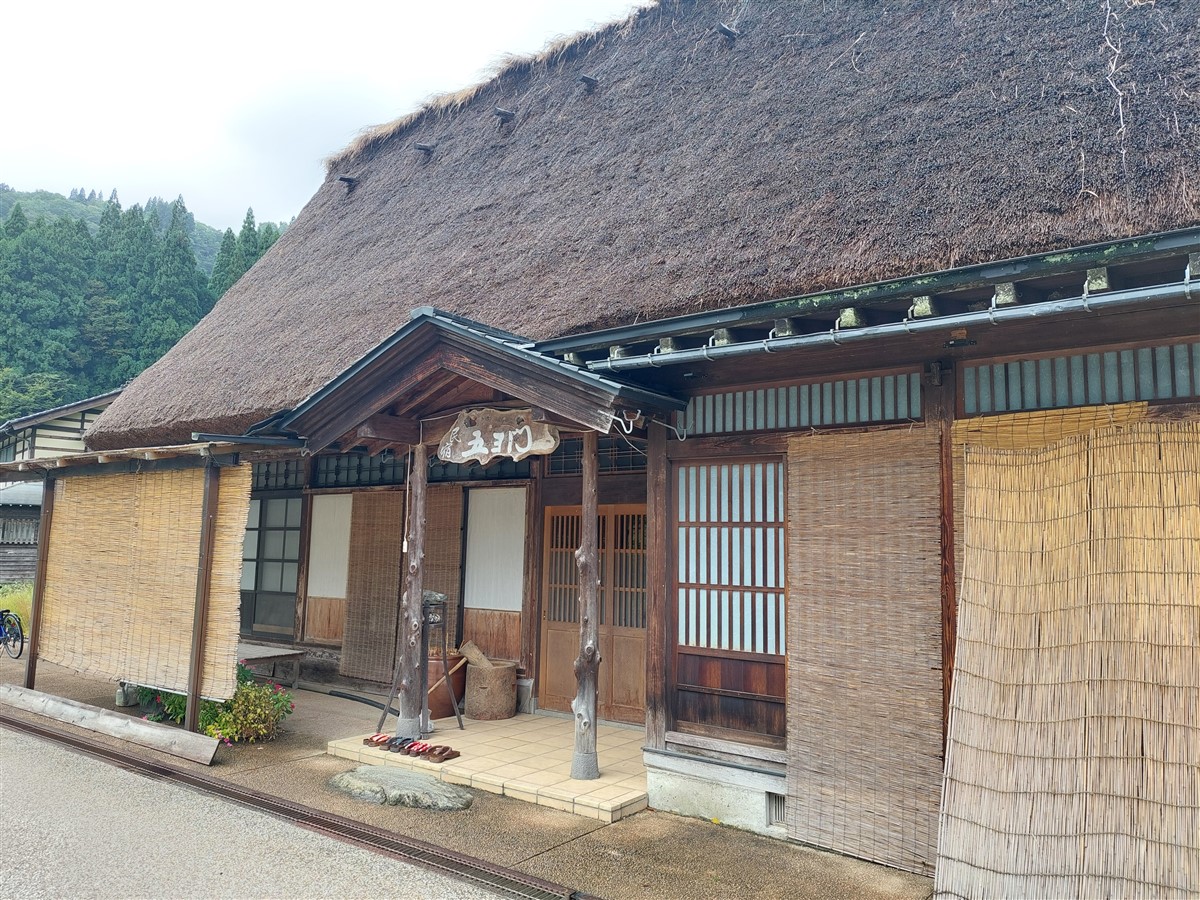
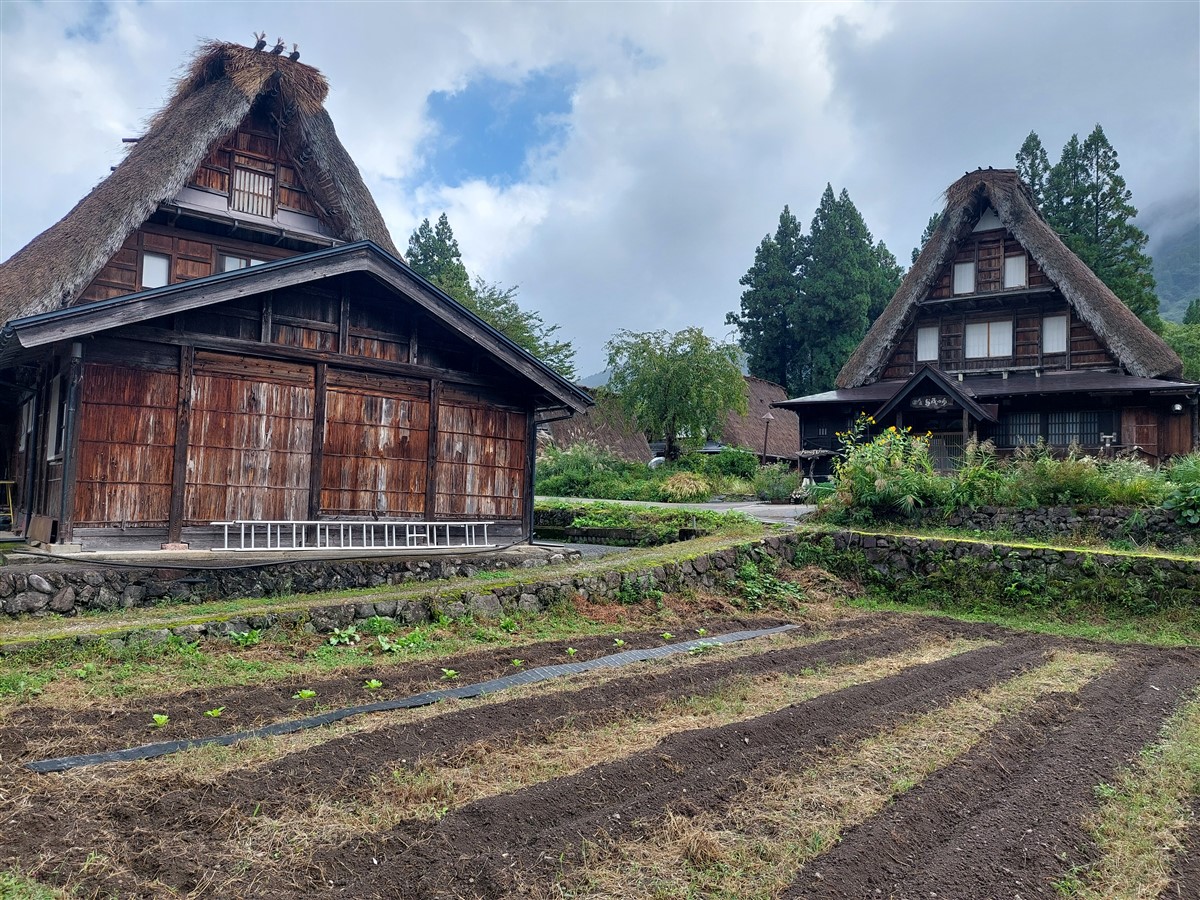
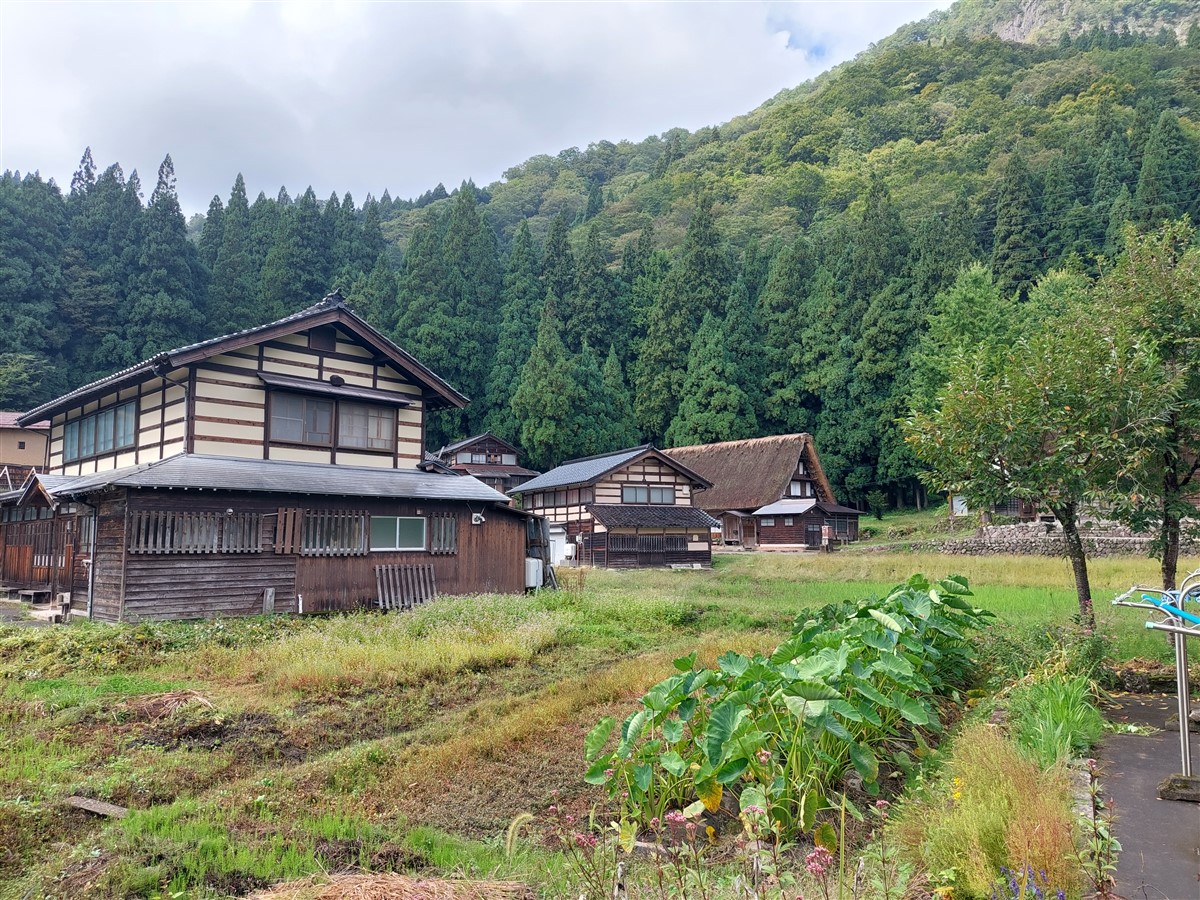
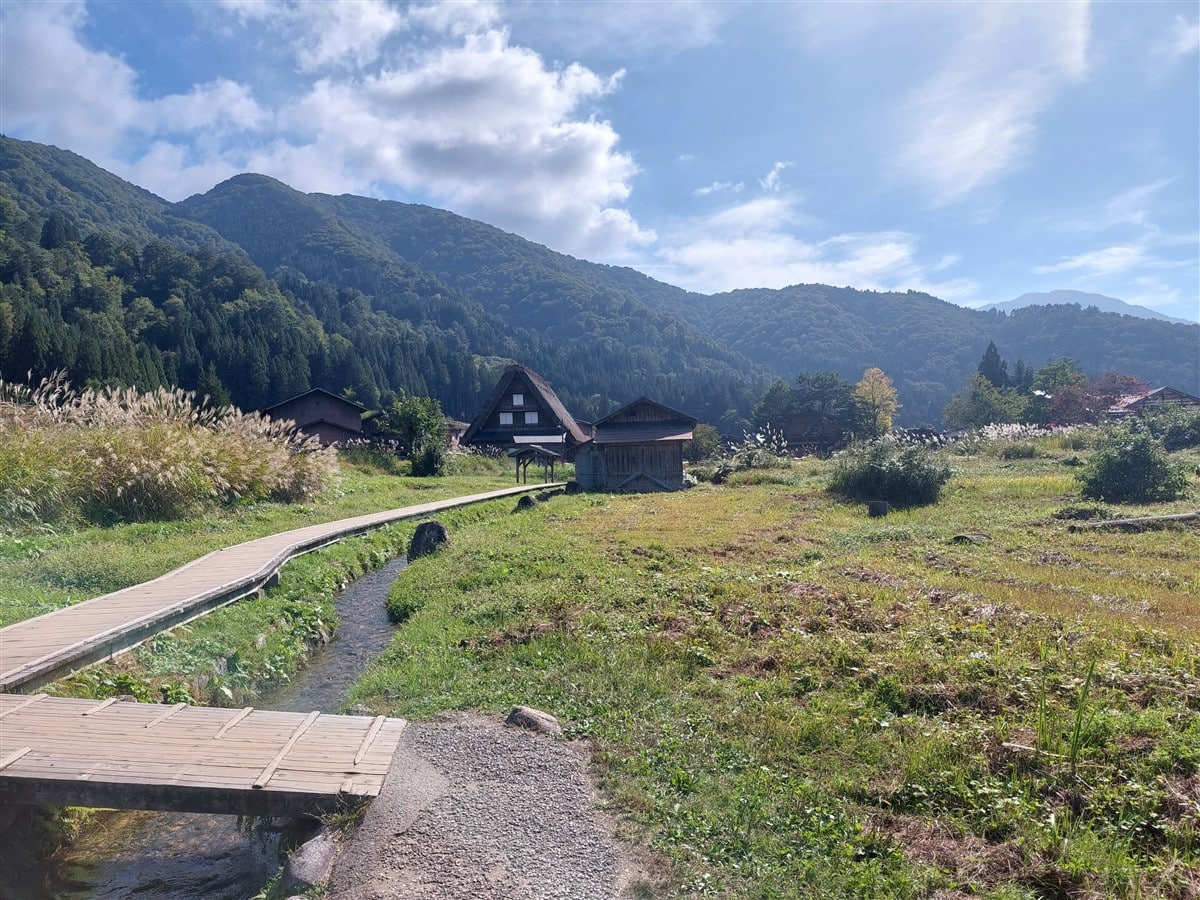
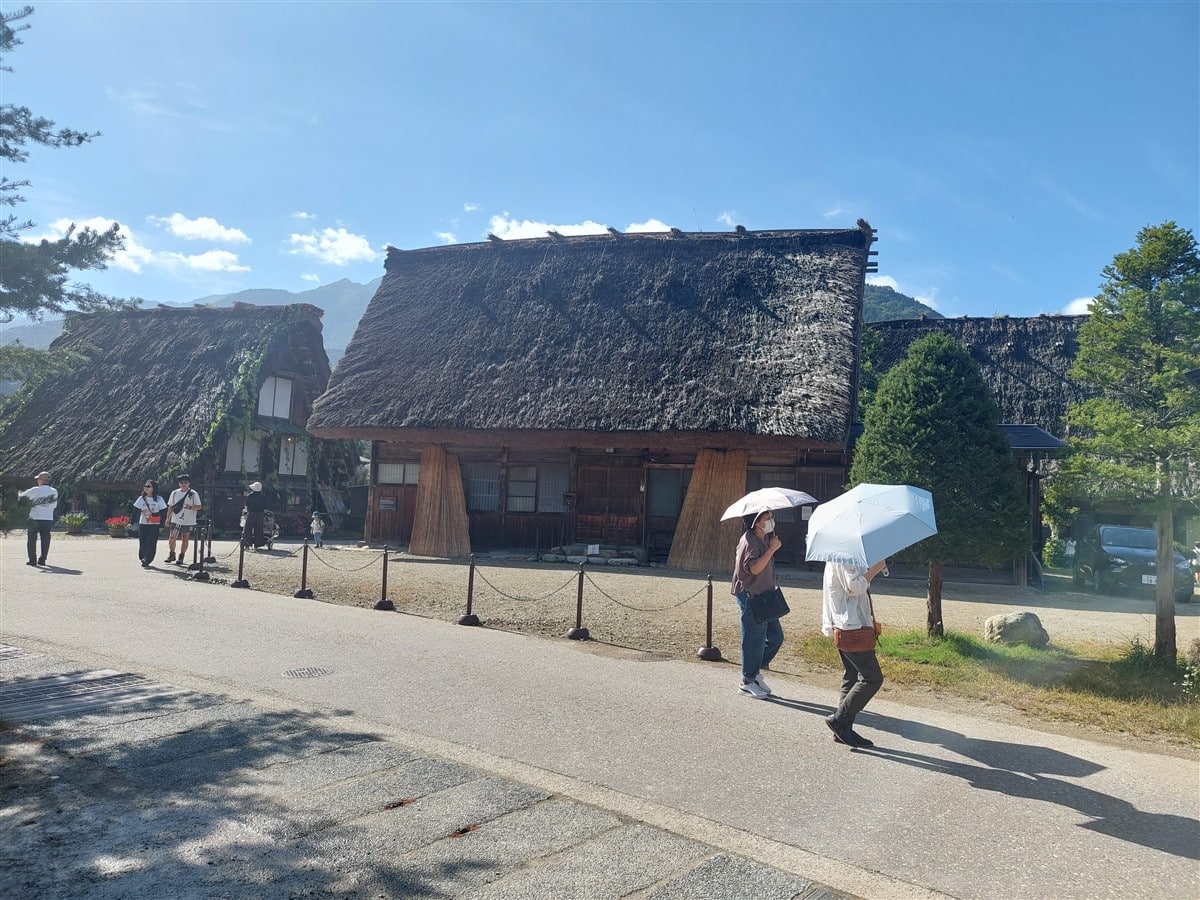
Gassho Village of Gokayama Ainokura, a World Heritage site. In the Ainokura Gassho-zukuri Village in Nanto City, Toyama Prefecture, there are 20 Gassho-zukuri houses still in existence, and you can see a variety of Gassho-zukuri houses. People still live in these gassho-zukuri houses








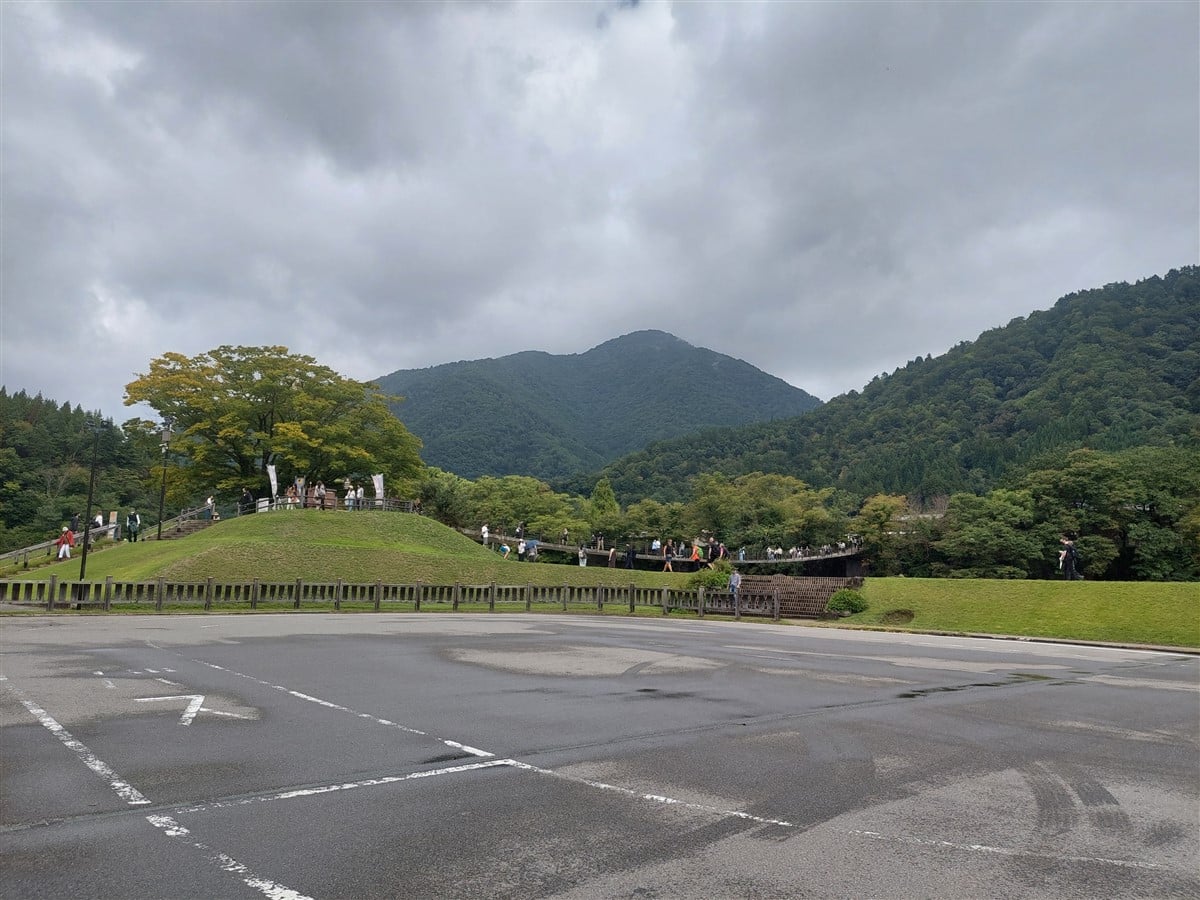
Exploring Shirakawa-go Village
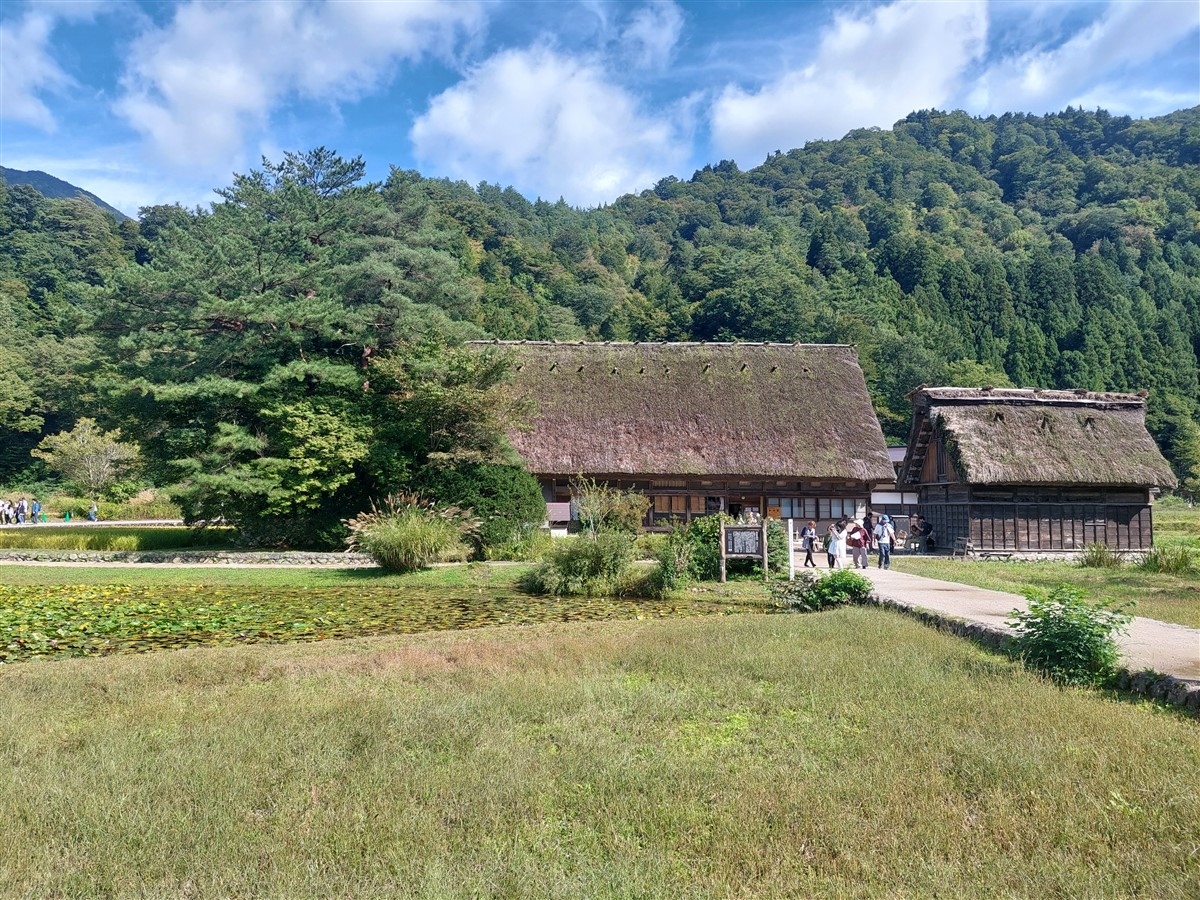
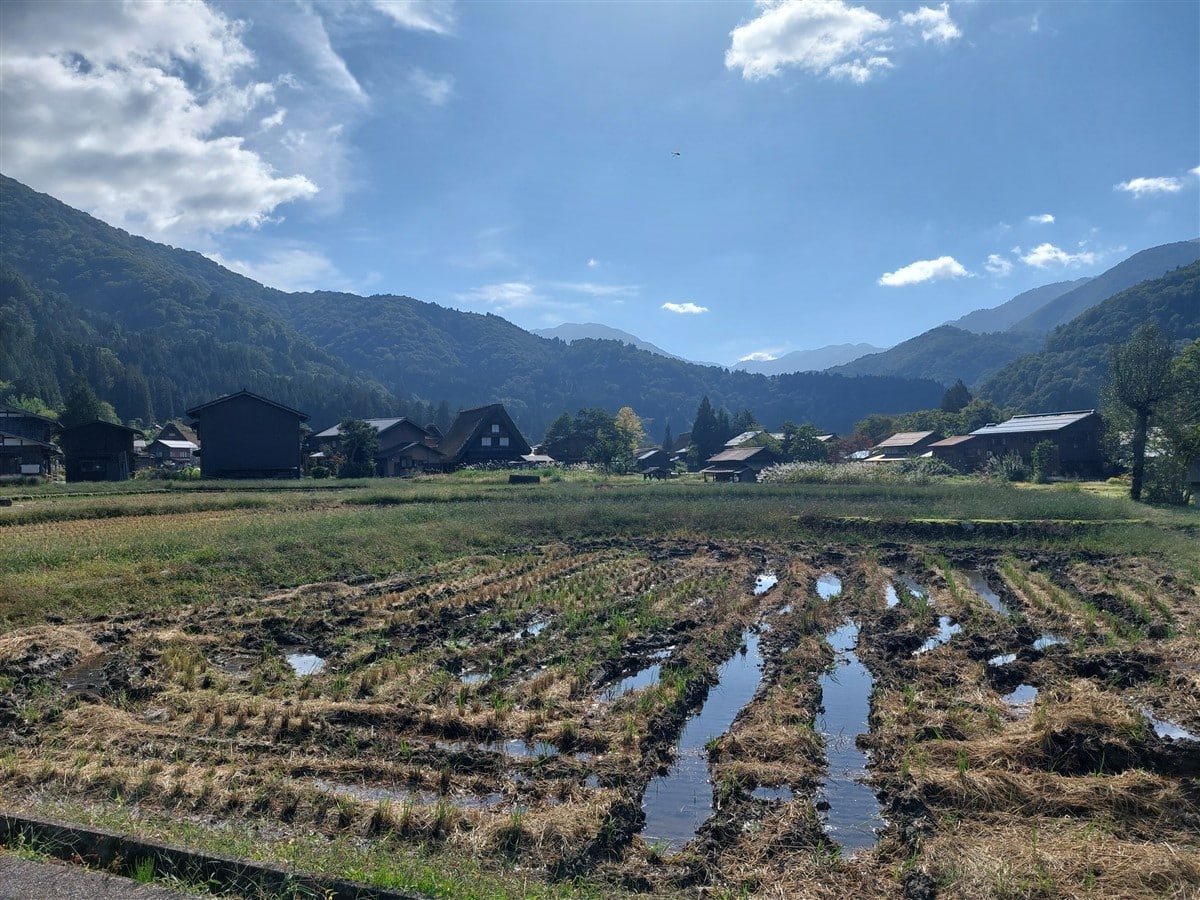
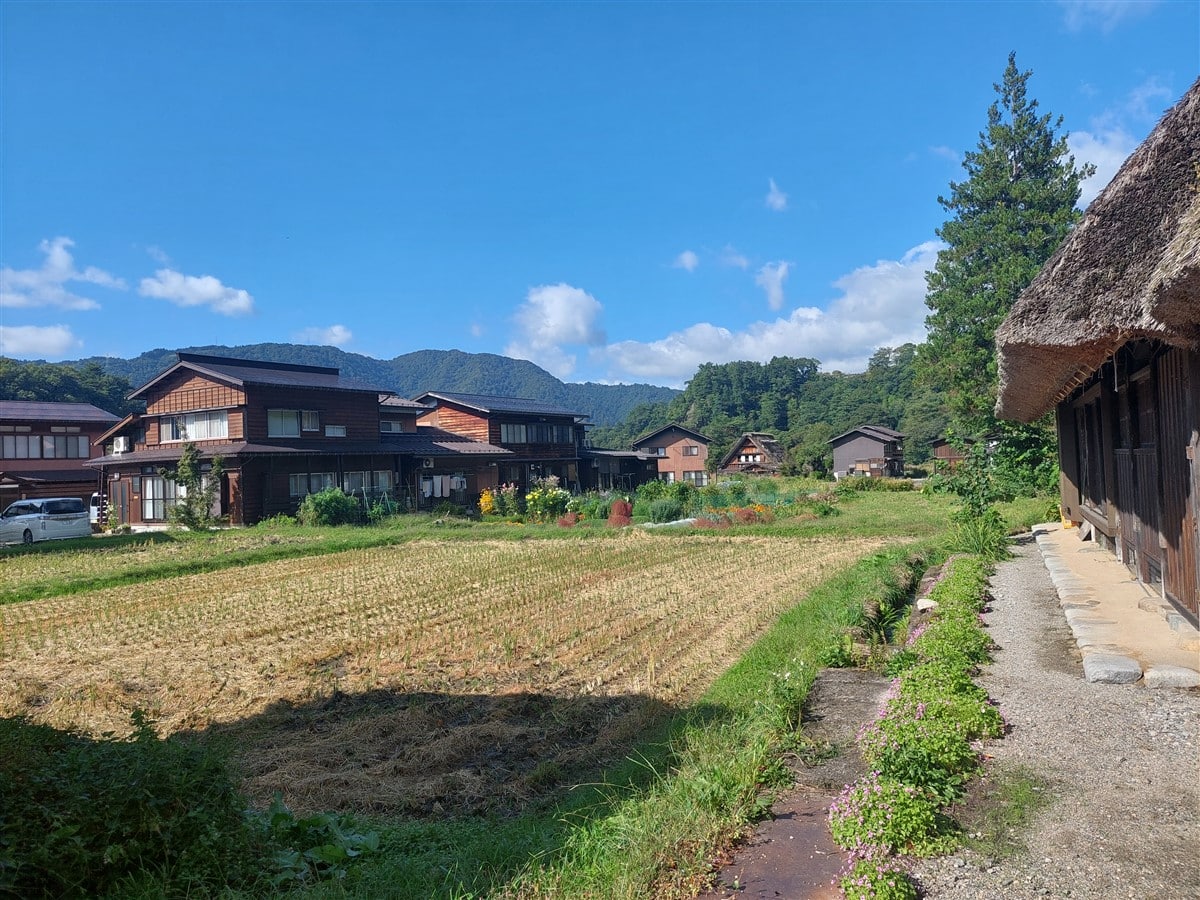
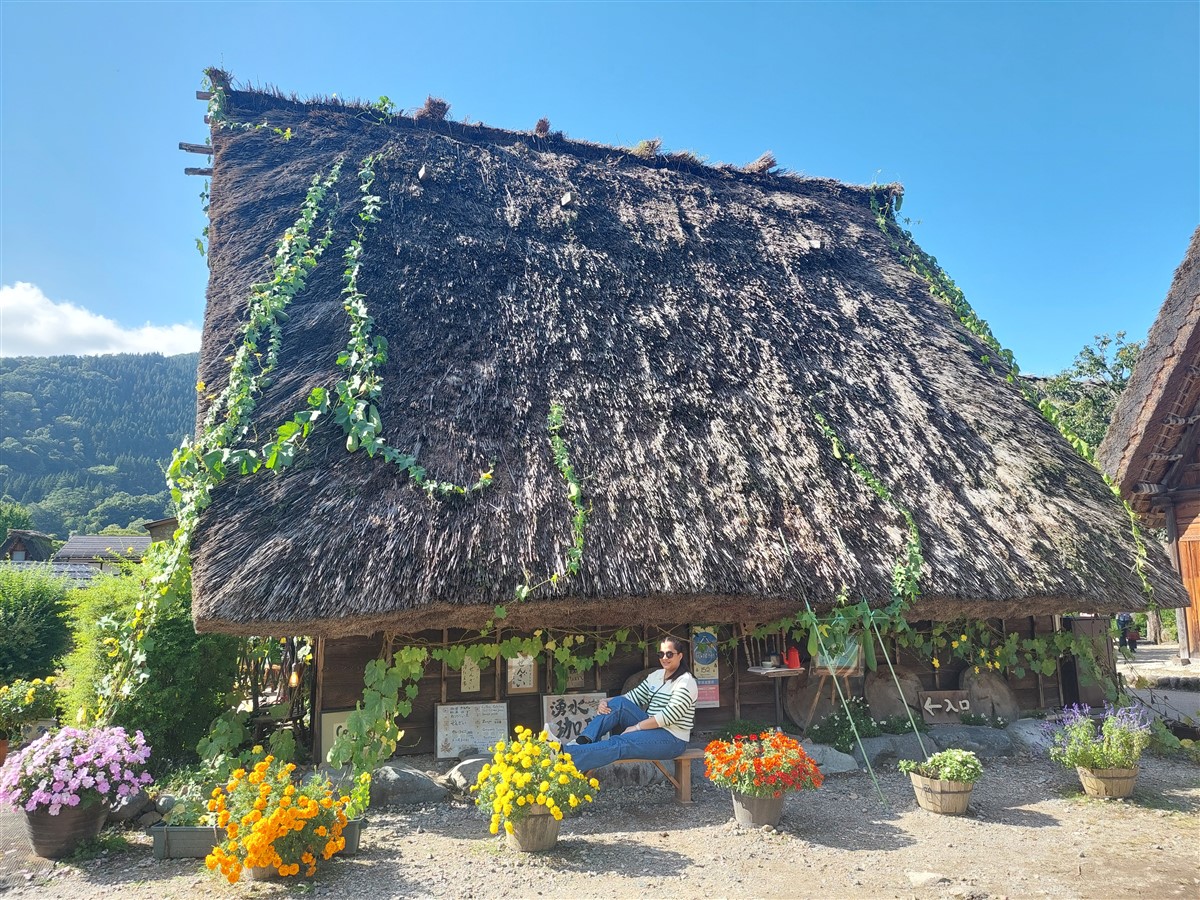
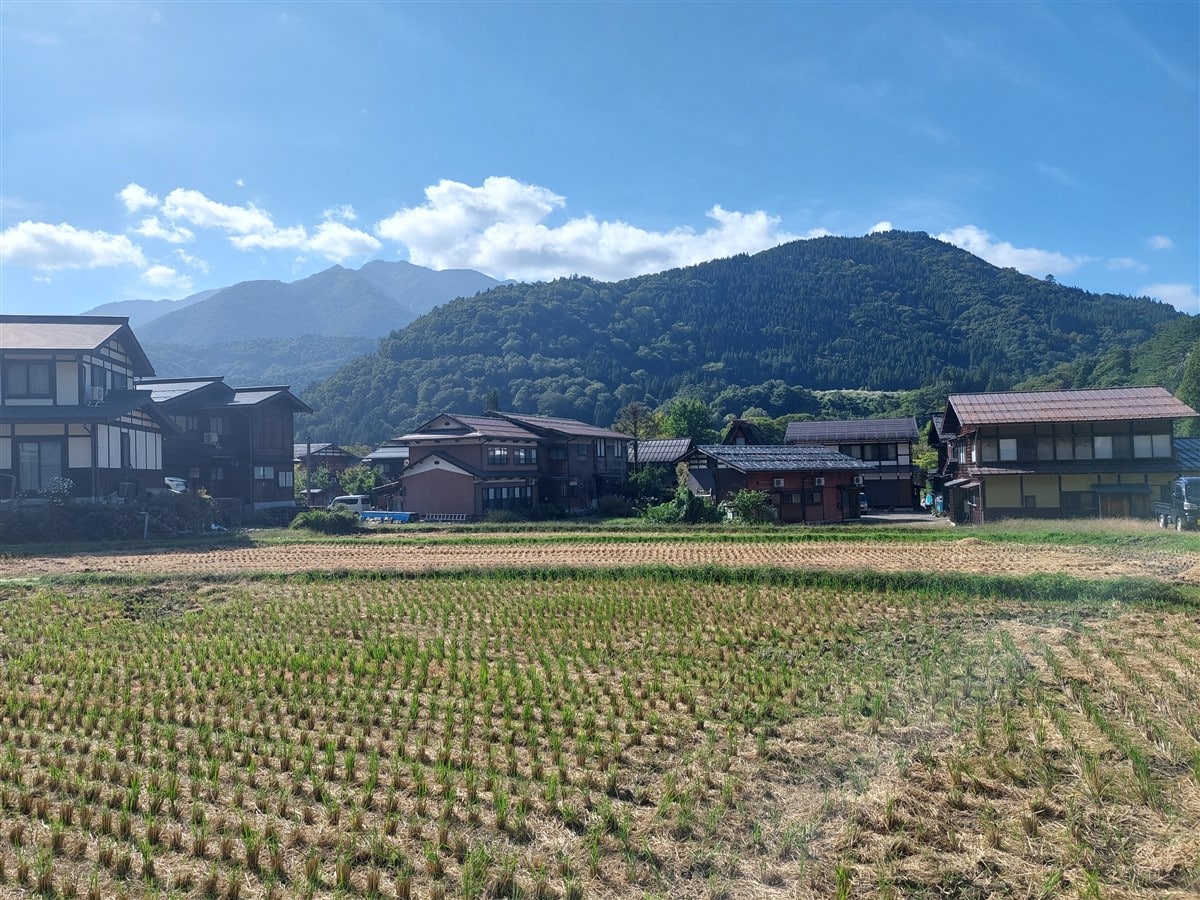
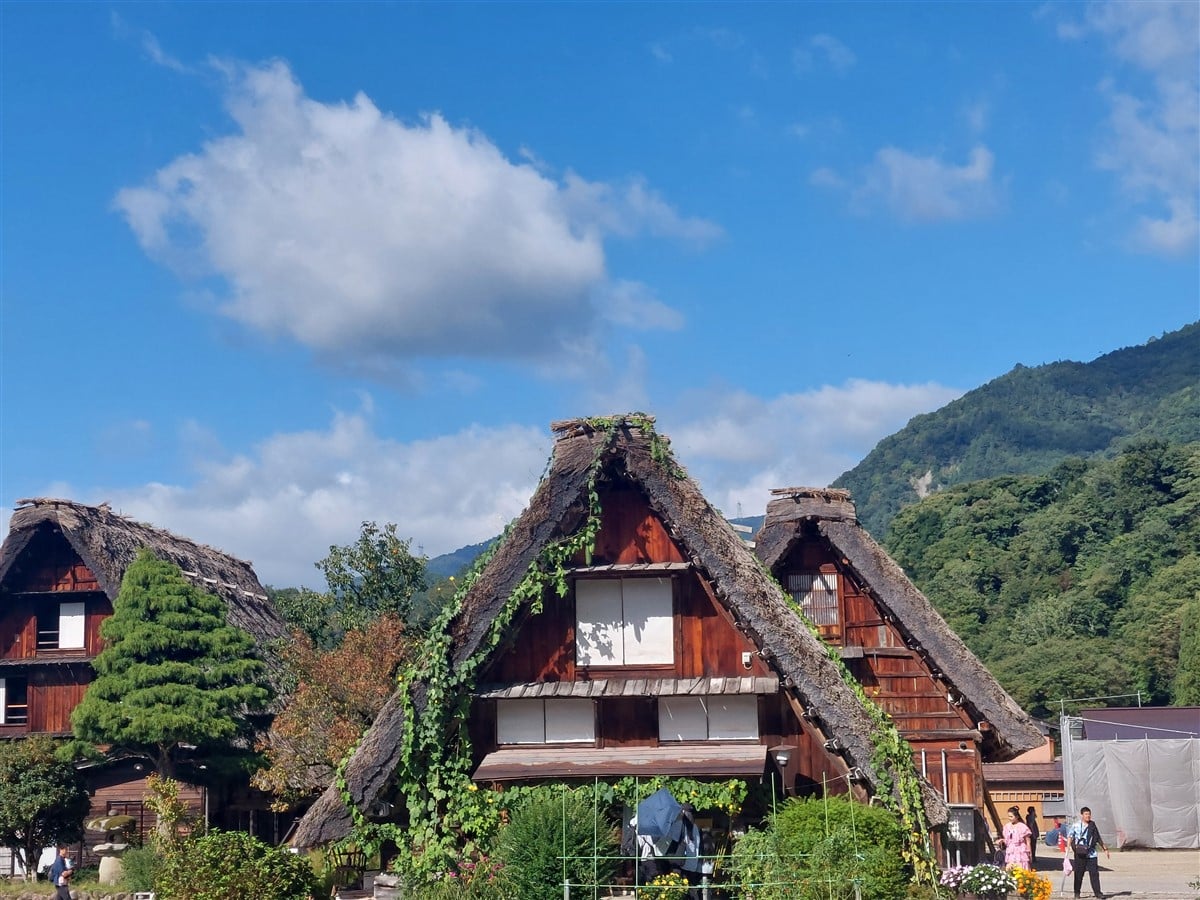
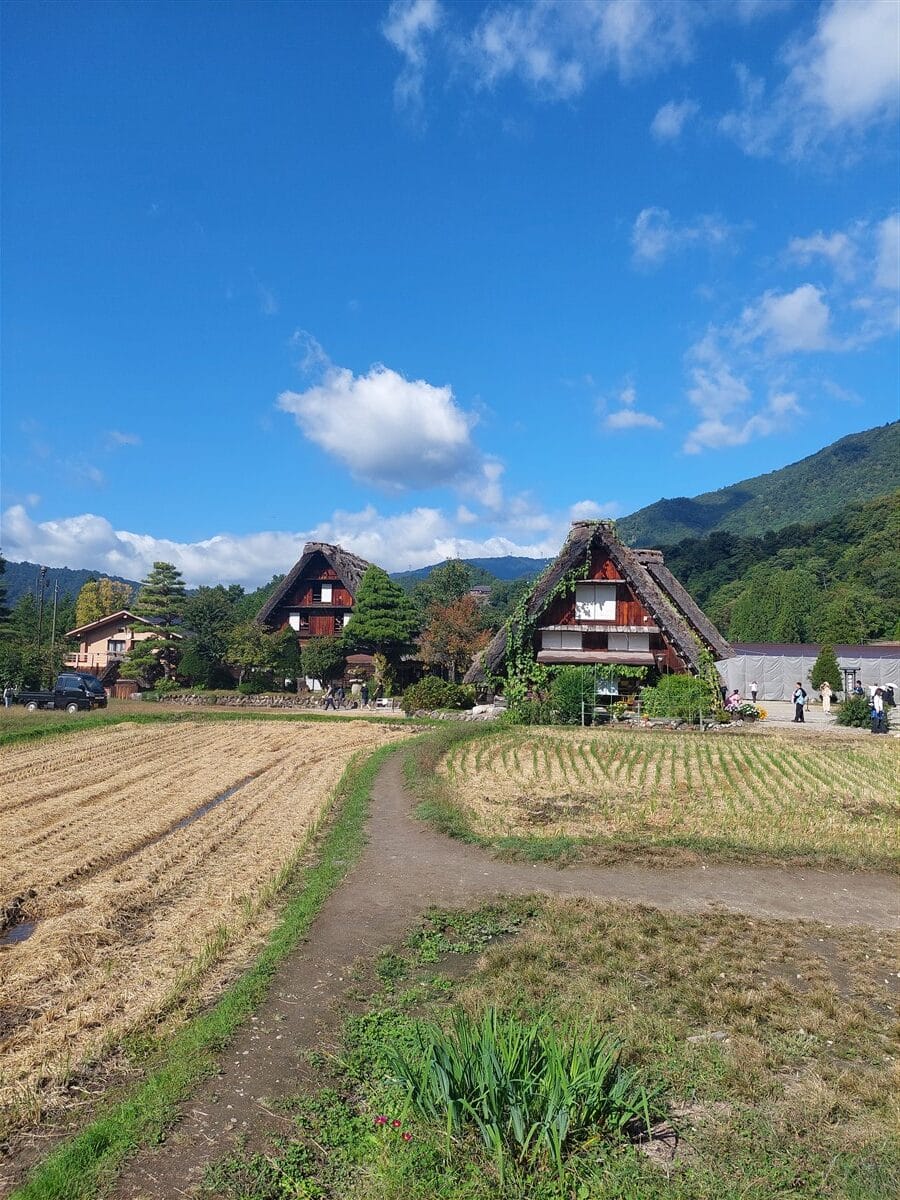
“Shirakawa-go was like stepping into a snow globe. The gassho-style farmhouses, with their steep thatched roofs, stood gracefully amid rice fields and clear mountain air. I visited the observation deck for panoramic views and explored souvenir shops selling handmade crafts.
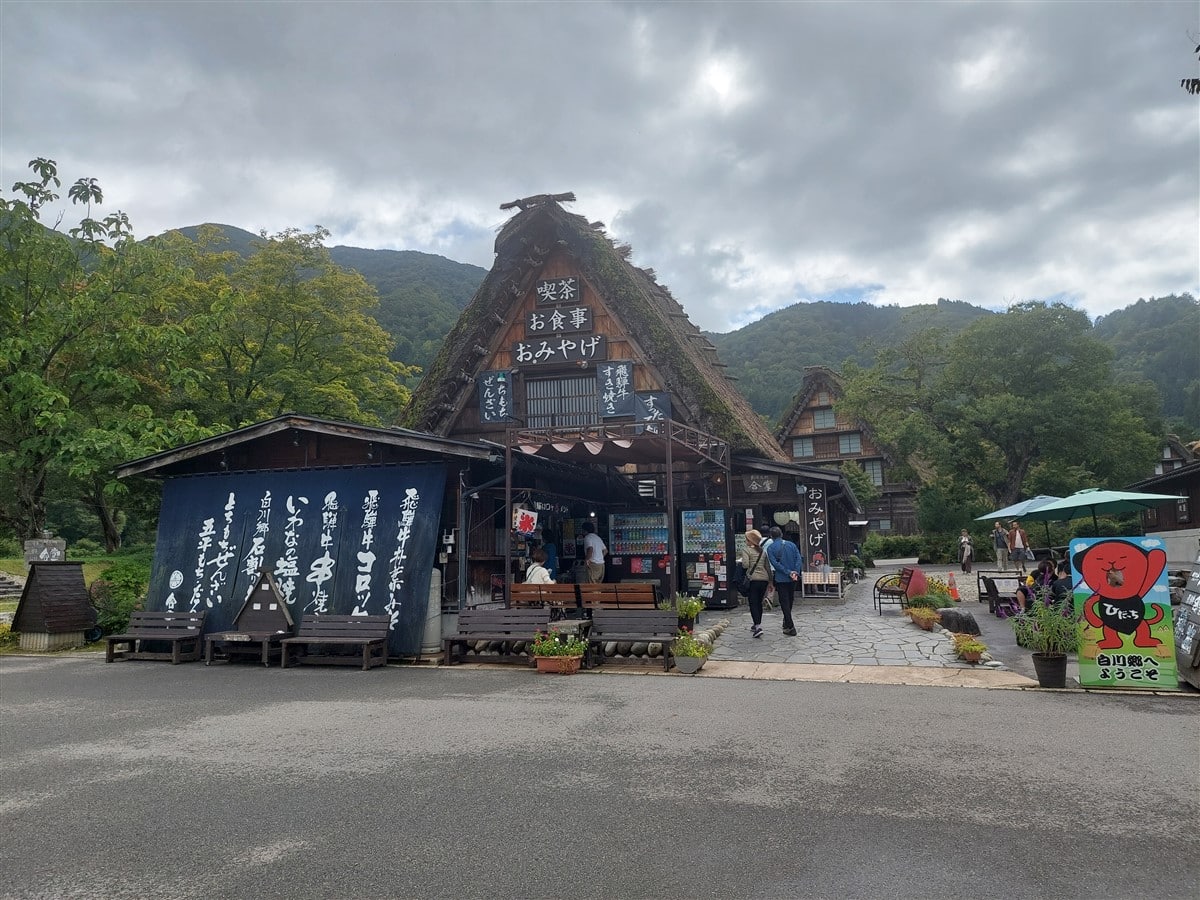

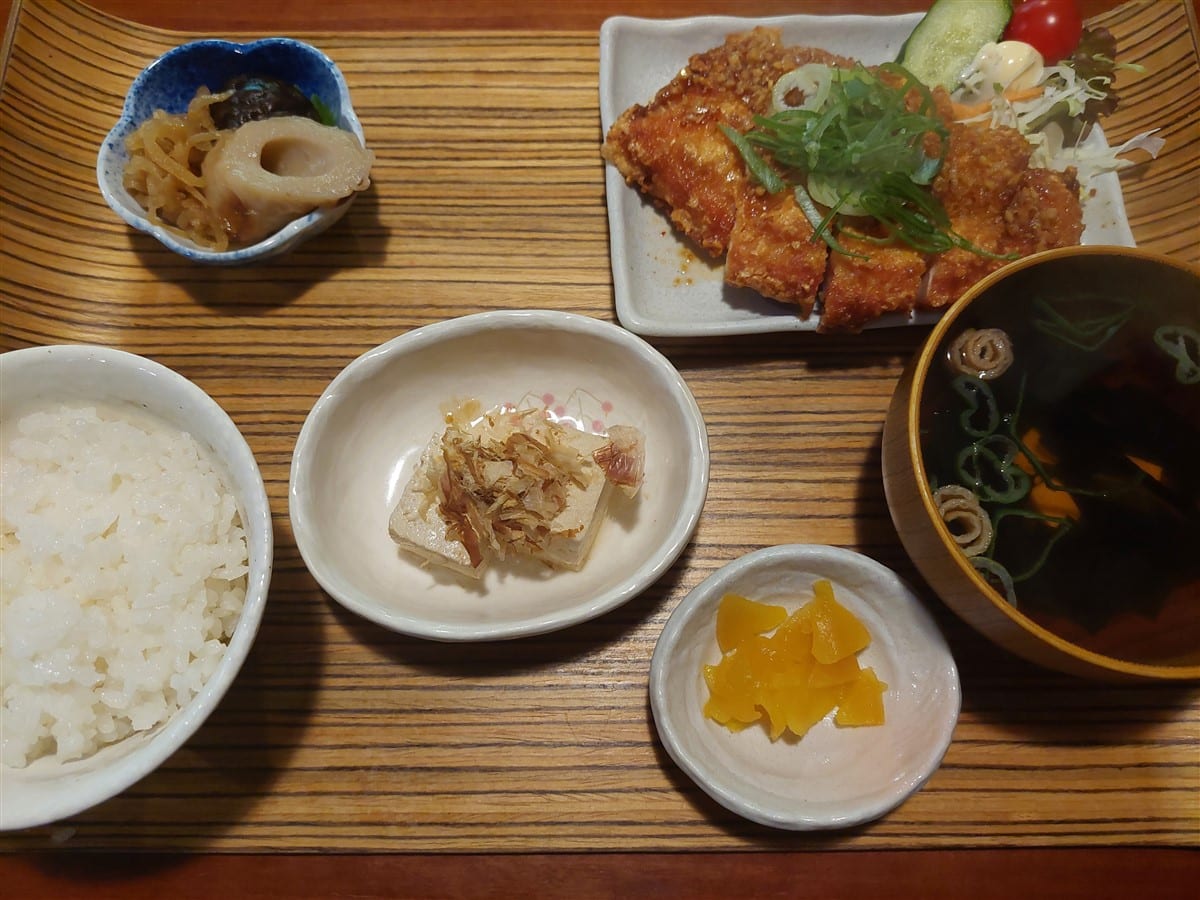
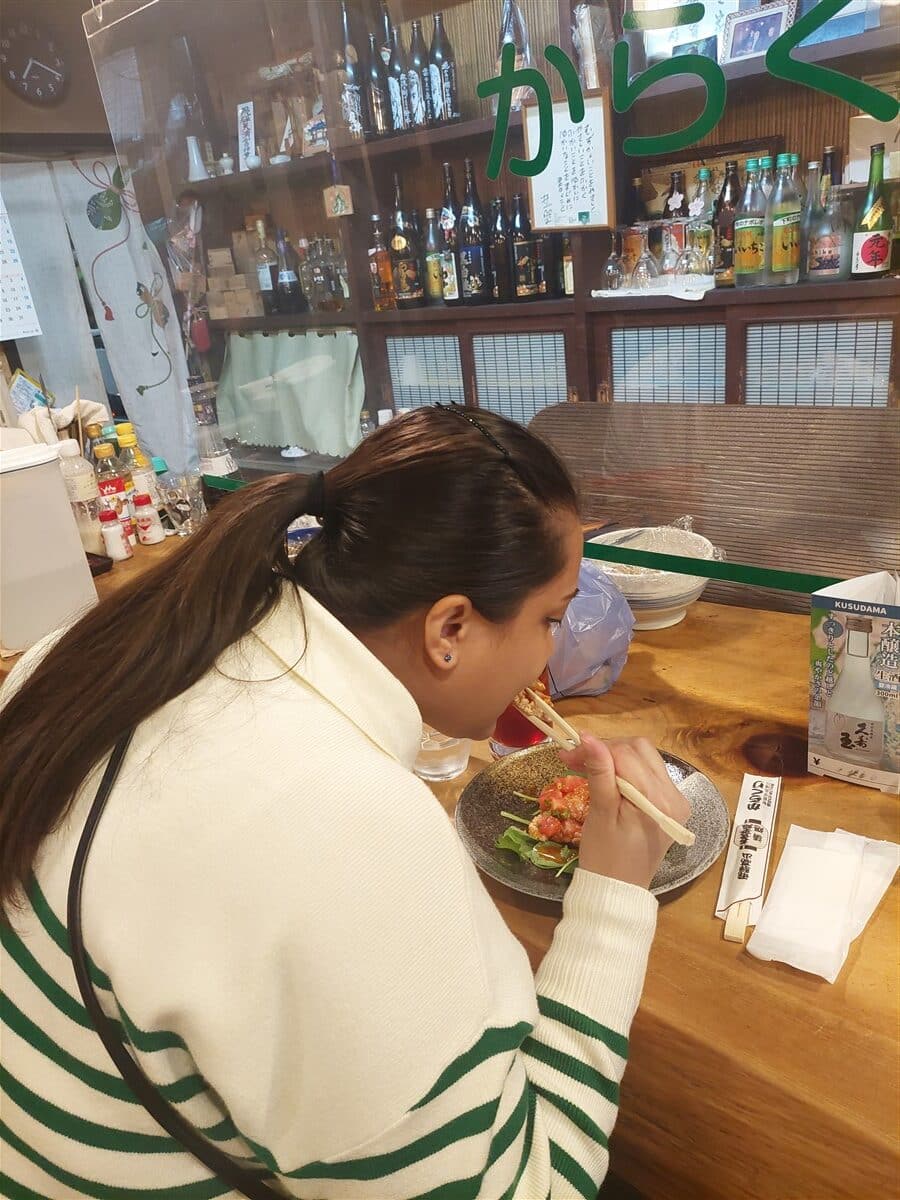
Lunch at Shirakawa Go
Why These Villages Are UNESCO Heritage Sites
“These villages were declared UNESCO World Heritage Sites for preserving Japan’s historic architecture and rural lifestyle. The gassho-zukuri homes are over 250 years old, built to survive heavy snowfall and showcase community craftsmanship.
Tips for the Day Trip from Takayama
Start early morning to visit all three villages calmly.
Carry cash; not all shops accept cards.
Visit the Shirakawa-go viewpoint for the best photos.
Wear warm clothes during winter months.
Respect local residents’ privacy while photographing houses.
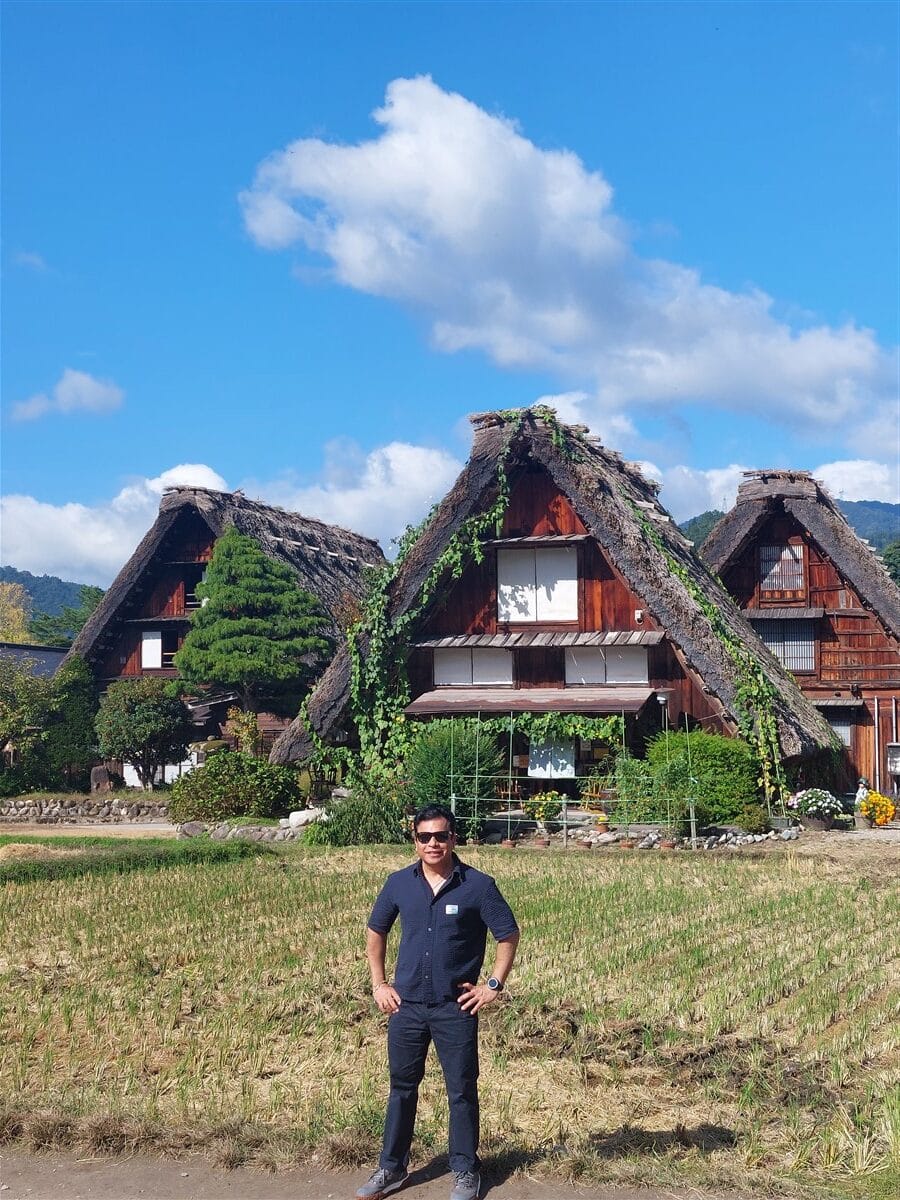

Shirakawa-go, a World Heritage Site, is a village where 114 thatched gassho-zukuri houses still retain the nostalgic scenery of old Japan. The steeply sloped triangular roof, which is unique to regions with heavy snowfall, resembles the shape of hands joined together, which is why it is called a gassho-zukuri house.
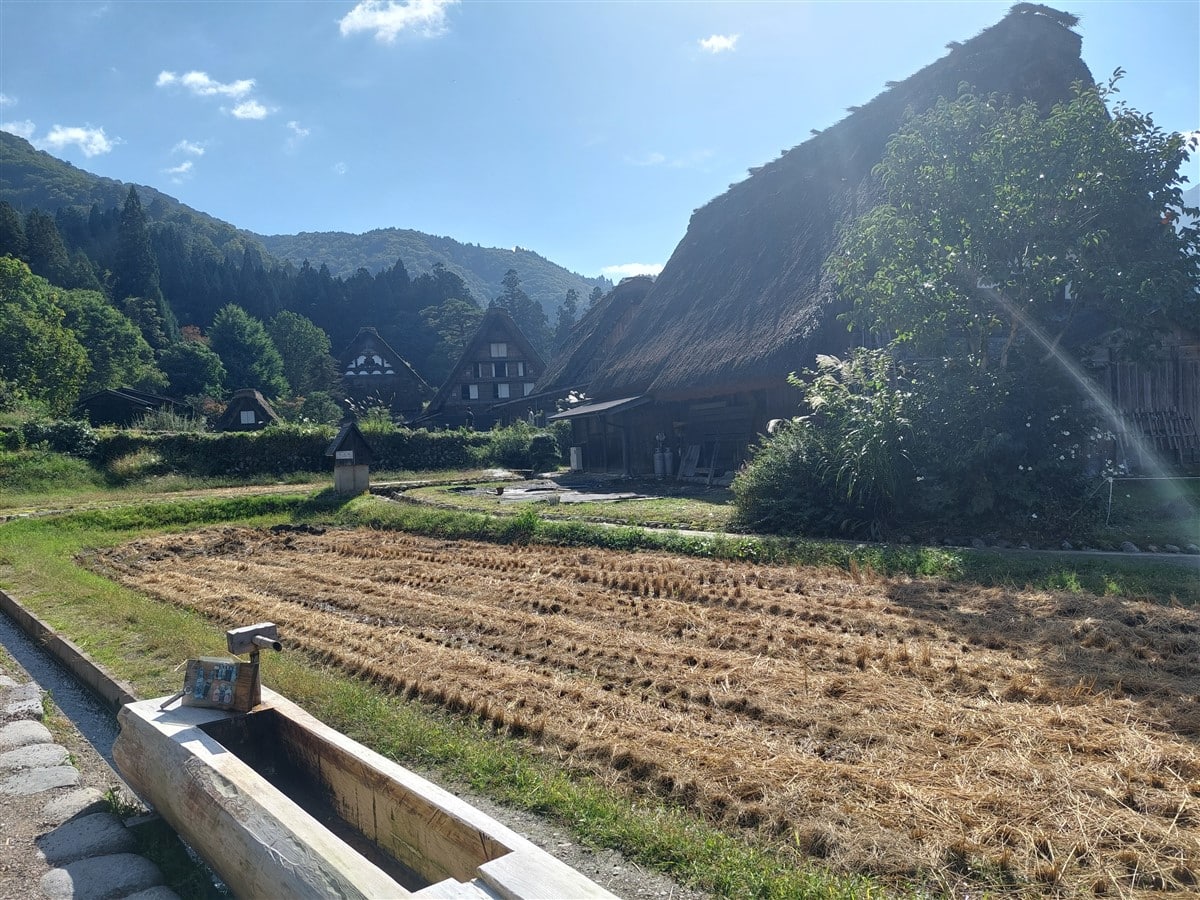

During the walk, you can also enter the “Gassho-zukuri Minkaen”. (Entrance fee is included) *The park is closed on Thursdays from December to March. (If the park is closed, we will give you our original mascot.)
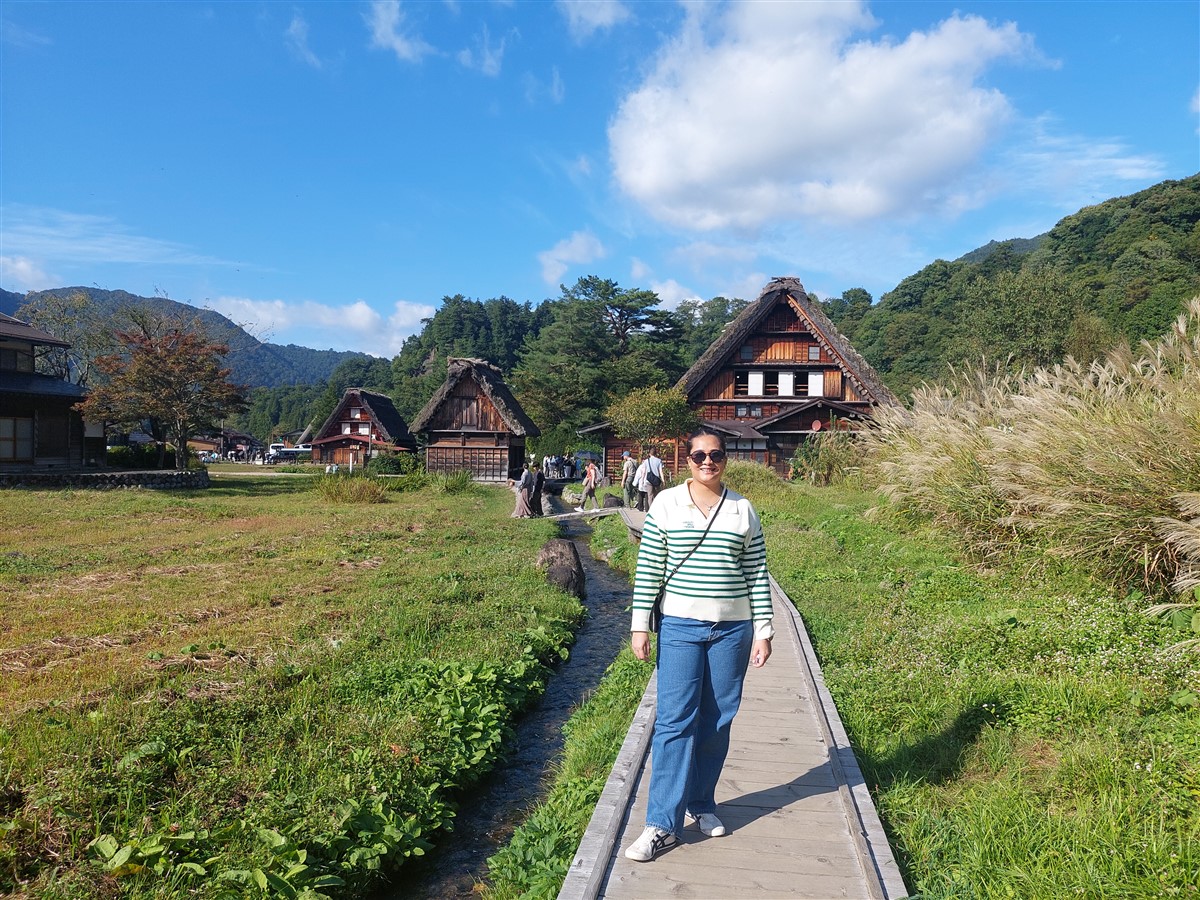
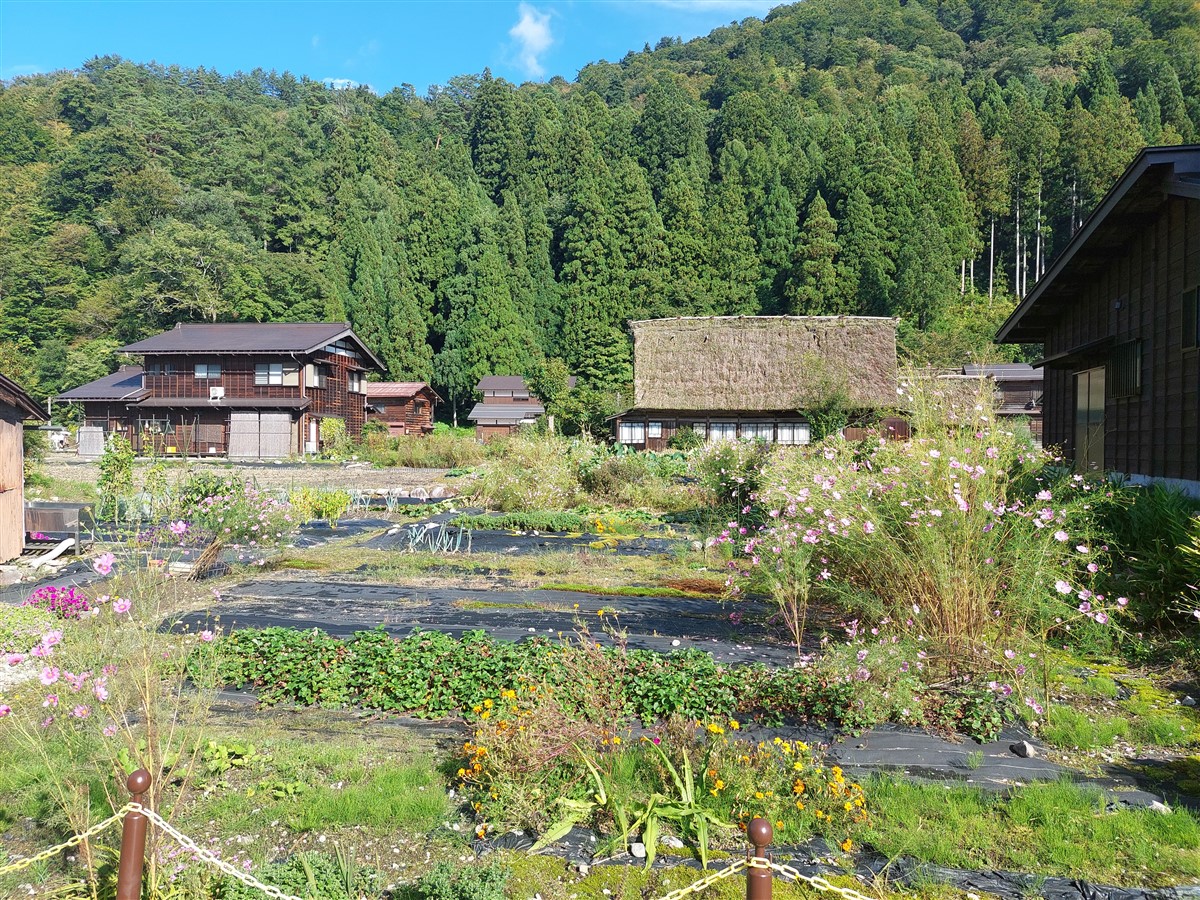
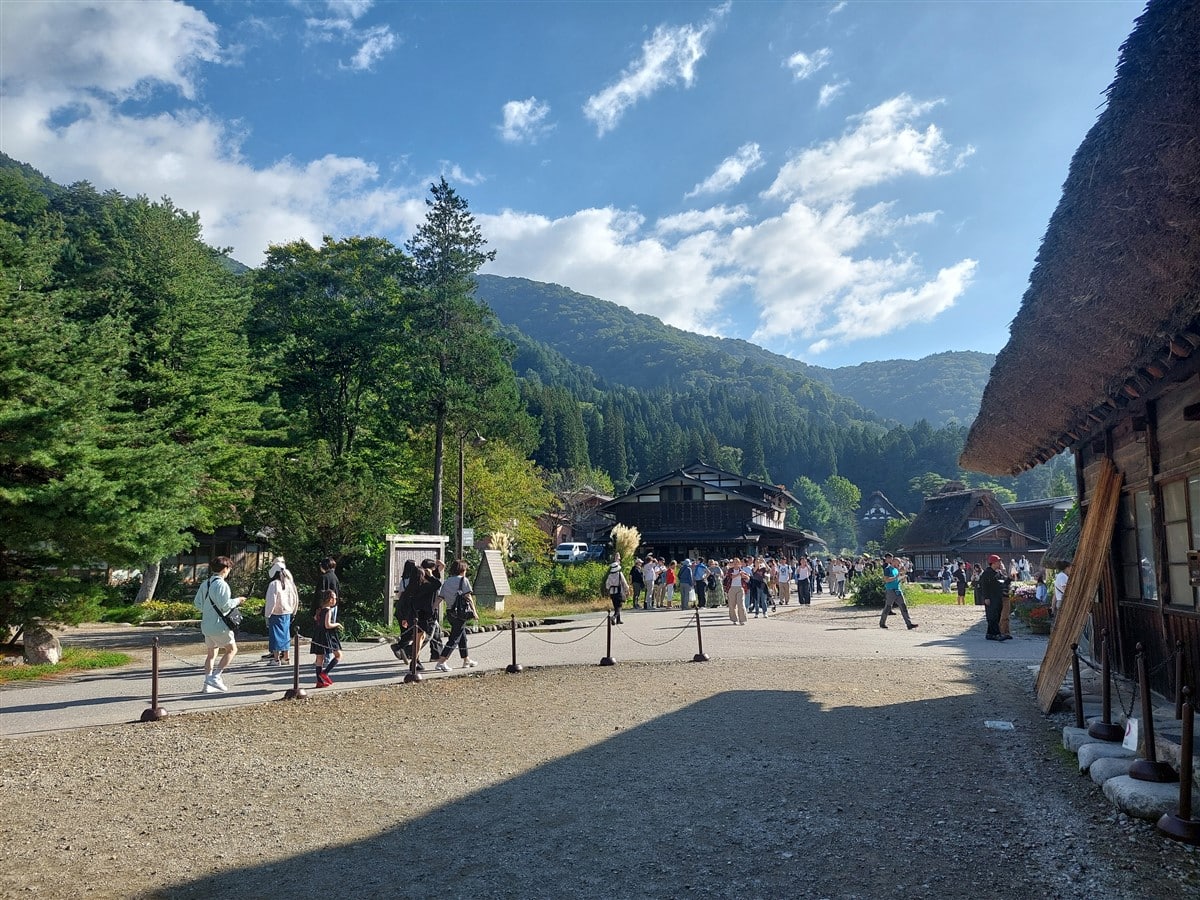
Located on a hill in the northwest of Shirakawa-go, you can overlook the Shirakawa-go gassho village.
The view from here is the one you often see on posters.
The gassho-zukuri village of Ogimachi is colored by the nature of each season, making you feel as if you are in a fairy tale world.



Q1. What is Shirakawa-go famous for?
It’s known for its traditional thatched-roof farmhouses, part of a UNESCO World Heritage Site.
Q2. Where are Gokayama and Ainokura located?
They are small villages near Shirakawa-go, located in Toyama Prefecture, Japan.
Q3. How far is Shirakawa-go from Takayama?
About 50 km — roughly 1.5 hours by bus or car.
Q4. Can you visit Shirakawa-go and Gokayama in one day?
Yes! Many tours from Takayama cover both villages in a day.
Q5. What makes these villages special?
Their unique gassho-zukuri (thatched roof) houses built to withstand heavy snow.
Q6. When is the best time to visit Shirakawa-go?
Winter for snow-covered houses or autumn for colorful foliage.
Q7. Are there restaurants or cafes in the villages?
Yes, you can enjoy local soba noodles, Hida beef, and snacks made by villagers.
Q8. Do people still live in these villages?
Yes, many houses are still inhabited by locals maintaining the traditional lifestyle.
Q9. Is photography allowed in Shirakawa-go and Gokayama?
Yes, photography is encouraged, but respect private homes and property.
Q10. Why did I enjoy visiting Shirakawa-go and Gokayama?
Because it felt like walking through a living postcard — peaceful, natural, and full of charm.